Get Full Government Meeting Transcripts, Videos, & Alerts Forever!
Get email alerts on the Budget topic
No spam. Unsubscribe anytime.
Roosevelt County commissioners review preliminary budget as staff flags insurance hikes, grants and tech requests
Summary
County finance staff presented preliminary personnel and departmental budget worksheets; commissioners questioned large insurance increases, discussed uncertain opioid and grow‑grant revenues, and heard multiple department requests for vehicles, cameras and emergency equipment. No final budget votes were taken.
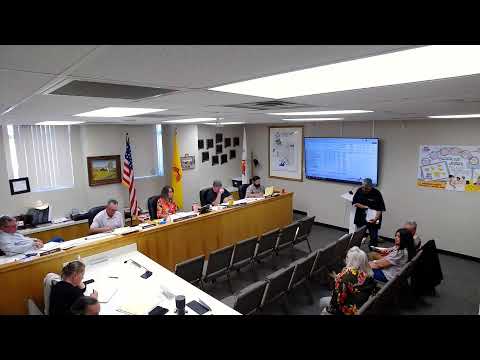
Roosevelt County commissioners met for a preliminary budget work session focused on personnel totals, department requests and several one‑time capital items, with staff emphasizing many lines remain provisional pending confirmations of insurance rates and grant awards.
Finance staff guided the panel through the personnel budget recap and budget worksheets, pointing commissioners to a summary in the front of their binders and offering copies of the detailed worksheets. Staff said step increases from the county’s approved pay plan are included but that some fiscal‑year comparisons are difficult because prior year items were miscoded; commissioners asked staff to use three‑year trends where possible to smooth anomalies.
A major theme was insurance costs. Commissioners and staff said health insurance appears to have risen roughly 16% in the draft, while one commissioner cited municipal reports of larger jumps (figures of about 30% were mentioned). Staff agreed to verify the group insurance line and identify what portion of the increase is attributable to recent rate changes versus accounting or coding differences.
Several department requests and transfers were discussed. The extension office is expected to present a roughly $109,000 request, and commissioners tentatively agreed to continue last year’s $7,500 village fire/ambulance allocations while staff will correct GL reporting where previous transfers had been coded inconsistently. Staff also noted that some small pass‑through funds (for example a GRT increment for the local hospital) may have sunsets or conditions attached; commissioners asked staff to confirm any expiration dates.
Uncertain revenues factored into budgeting decisions. Staff said the county expects some opioid settlement money but that the timing and amount are unknown; those funds were left unbudgeted pending confirmation and will be accounted for only after staff receives payout details and payee instructions.
Law enforcement and public‑safety technology requests drew extended discussion. The sheriff’s office described a license‑plate reader (LPR) program and accompanying live‑view camera options: estimated costs discussed included roughly $3,500 per camera per year for basic LPR service, with live‑view options adding roughly $500 more per camera; an initial five‑camera deployment was proposed for pilot use on major routes and theft hotspots. Commissioners and the sheriff discussed privacy concerns and interagency data‑sharing controls; staff said policies and placement would be limited to public rights‑of‑way and would be discussed further before any purchase.
The sheriff also presented a multi‑year taser procurement or lease plan that would spread replacement and warranty costs over time—figures discussed ran near $25,000 per year for a long‑term contract that includes warranty replacement and training materials. Commissioners asked for cost comparisons and grant opportunities before agreeing to any multi‑year commitment.
Emergency management identified several capital priorities, including drone licensing and a potential command vehicle that staff estimated could cost about $200,000 but might be largely grant‑funded. The department said a senator‑sponsored grant would cover a portion of a county‑wide siren upgrade but that the county would still need to identify a local match (staff estimated a remaining gap on the order of $143,000 to fully outfit additional sirens and dispatch upgrades). Emergency management also said certain discretionary grant funds and FEMA processes will determine whether the county must supply cash or in‑kind matches.
Other departmental discussions included courthouse maintenance and mold remediation work, copier replacement and IT support needs, and assessor office staffing and succession planning. The assessor urged keeping a minimum number of full‑time staff in the office and proposed a temporary six‑month overlap hire to preserve institutional knowledge; staff estimated the overlap would cost roughly $20,000 depending on start dates.
Procedurally, the meeting began with a motion to approve the agenda, which was moved and seconded and approved without a separate roll‑call vote being recorded in the transcript. Commissioners repeatedly asked staff to verify several line items and to update the draft budget before final adoption; staff said many numbers will be revisited for the final budget and offered to supply detailed worksheets and follow‑up memos.
Next steps: staff will verify insurance and group‑insurance line items, confirm whether any GRT increments or grants have sunset dates, obtain final figures or agreements for any expected opioid or growth grant receipts before adding those revenues to the budget, and return with corrected worksheets and written notes for commissioners to review prior to the final budget presentation.