Get Full Government Meeting Transcripts, Videos, & Alerts Forever!
Get email alerts on the Kinneytown Dam Removal topic
No spam. Unsubscribe anytime.
NVCOG outlines Kenneytown dam removal plan, sediment management and trail opportunity
Summary
Naugatuck Valley COG staff said nearly $50 million has been secured for Kenneytown dam removal and described a working plan to manage nearly 1 million cubic yards of contaminated sediment while creating room for a riverfront trail; sewer relocation (2027) and construction (target 2028) are next milestones.
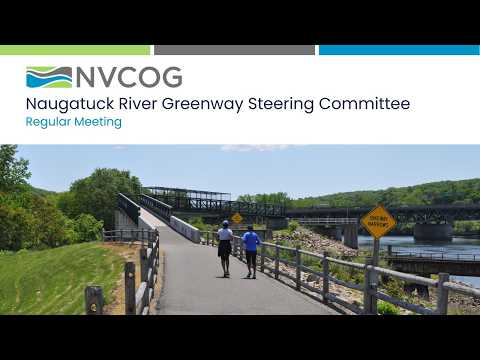
Aaron Budris of the Naugatuck Valley Council of Governments said the Kinneytown (Kenneytown) dam removal project has attracted substantial funding and will be paired with design work to create a new riverfront greenway linking downtown Ansonia and Seymour.
"We got a big Noah grant," Budris said, adding there is additional federal and state funding and that the project team has assembled nearly $50,000,000 toward dam removal. He told committee members the impoundment behind the dam contains roughly "about 1 million cubic yards" of largely contaminated sediment that must be addressed before the dam can be removed.
Budris described the working approach for sediment management: pump much of the dredged material into a nearby reservoir area (referred to in the meeting as Koh Pond) and cap it, converting the ponded area into land that could host the greenway. "Cap it, so this will no longer be a pond, but it gives a really good opportunity to route the trail," he said.
He said the project also requires utility work: some sewer siphons that run beneath the impoundment must be relocated first. Budris set a preliminary schedule that targets sewer relocation in 2027 and dam removal construction in 2028, contingent on completing a sediment management plan and advancing the design. "We're gonna have a sediment management plan by [August]," he said, and expected to have 50%–60% design completed by the August meeting.
Budris and NVCOG staff emphasized regulatory complexity: contaminated sediment, flood-control structures and coordination with state and federal agencies (including permitting and Army Corps involvement) will shape final designs and costs. He also invited members to an August presentation and a possible field walk so stakeholders can view site constraints and provide input.
Next steps: NVCOG will complete the sediment management plan and advance design through the summer; staff proposed a presentation by the landscape architect (Stimson) at the August steering committee meeting, followed by a potential on-site field walk to review the envisioned trail alignment and constraints.