Get Full Government Meeting Transcripts, Videos, & Alerts Forever!
Get email alerts on the Strategic Plan topic
No spam. Unsubscribe anytime.
District 207 presents four-goal strategic plan with student voices prominent
Summary
District 207 staff and students presented a year-long strategic planning process that proposes four interlocking goals — learning, access, connections and communications — backed by success metrics (STAR, ACT, disaggregated subgroup tracking) and a plan to move to implementation this summer pending board approval.
District 207 officials presented a new strategic plan to the Board of Education that lays out four core goals — improving rigorous, high-impact classroom instruction; expanding access and targeted supports; strengthening student–adult relationships and advising; and increasing communications and data transparency.
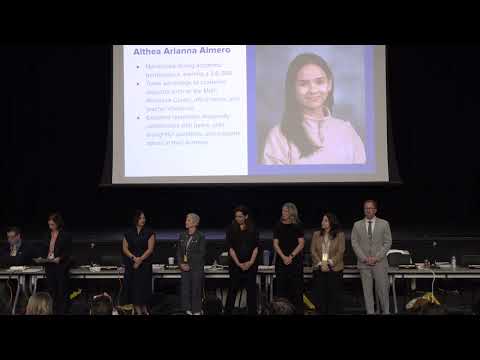
Student planning committee members described their role in shaping the plan. “This committee especially helped begin to bridge the gap between students and administrators,” said Aisha Hakim, a junior and committee member, adding that the process made students feel “like we have a place at the table in decision making.” Emma Fuentes, a Maine South sophomore who served on the committee, said surveys and more than 40 focus groups produced roughly 1,800 responses that informed the draft.
District staff and goal leads framed the plan around measurable success metrics. Dr. Messer, who led the learning goal presentation, said staff will use STAR benchmark and the ACT suite to track growth and that the plan emphasizes a shared definition of “rigor, relevance and engagement” for classroom practice. For the access-and-opportunity goal, presenters described strengthened MTSS early-intervention systems and disaggregated reporting of STAR and ACT data by subgroup to close achievement gaps.
Brett Clark, the goal lead for communications, said year‑one priorities include clarifying roles and responsibilities, improving proactive engagement with stakeholders and strengthening data access for shared understanding. The presentation noted practical next steps: the district will continue work this summer to define baselines and metrics, return with more detailed implementation targets, and provide biannual progress reports to the board.
Board members asked about baseline measures, classroom-level observations and how the district will cycle community feedback into implementation. Dr. Messer said the district lacks a current, consistent baseline—partly due to pandemic disruptions—and plans renewed classroom walk-throughs and observation practices to establish a starting point. The board did not take a formal vote on the plan during the presentation; staff said implementation (phase 5) will begin this summer and further board action is expected when metrics and baselines are refined.