Get Full Government Meeting Transcripts, Videos, & Alerts Forever!
Get email alerts on the Opioid Settlement topic
No spam. Unsubscribe anytime.
Pike County sets opioid-settlement funding for prevention programs, scholarships and reentry supports
Summary
The court approved multiple opioid-settlement allocations including $50,000 for Operation UNITE's Too Good for Drugs program, a $7,500-per-year scholarship for UnitePike, and an $87,000 JAG program payment for 2026 with five-year authorization; motions passed unanimously.
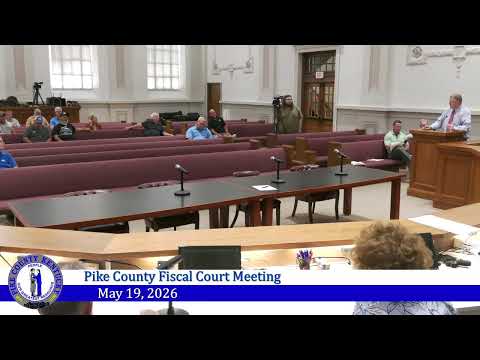
Pike County Fiscal Court on May 19 approved a slate of opioid-settlement expenditures to fund prevention, scholarships and a reentry-focused workforce program.
Judge Jones presented a second amendment to an MOU with Operation UNITE to fund the Too Good for Drugs education program from the National Opioid Settlement and asked the court to authorize a $50,000 check for the 2026 year. He said the intent is to raise the program’s funding by $50,000 to a total the transcript describes as $250,000 per year through 2032; the court approved the motion by roll call.
The court also authorized a $7,500 annual scholarship program for children impacted by the opioid epidemic (UnitePike), approving funding for the next 10 years at $7,500 per year; that motion passed by roll call. In a separate action the court authorized executing a memorandum of understanding and issuing an $87,000 check for the 2026 year to support a JAG program aimed at helping 17–24-year-olds at risk of recidivism; Judge Jones said the program was approved by the local opioid settlement committee and would be authorized for a five-year period funded from opioid settlement funds. That motion also passed on roll call.
Why it matters: The funded items target prevention (school-based education), scholarships for youth affected by opioid-related family impacts, and reentry/workforce supports for at-risk young adults. County officials noted the approvals followed review by the local opioid settlement committee and an opioid-settlement advisor (named in the transcript as Lauren Carr).
What’s next: The court directed staff to execute the MOUs and issue the authorized checks. All three items were approved by roll call with the commissioners and judge recorded as voting yes.
Provenance: The approvals and related remarks appear in the meeting discussion and votes on opioid settlement funding (topicintro: SEG 158; topfinish: SEG 246).