Get Full Government Meeting Transcripts, Videos, & Alerts Forever!
Get email alerts on the Environment topic
No spam. Unsubscribe anytime.
Millersville council debates native-plant exemptions and enforcement in property maintenance code update
Summary
During a workshop, council members and staff discussed proposed updates to the property maintenance code that would exempt certified native landscapes and rain gardens from nuisance/weed rules; the discussion centered on certification, enforceability, application logistics and whether to charge a fee.
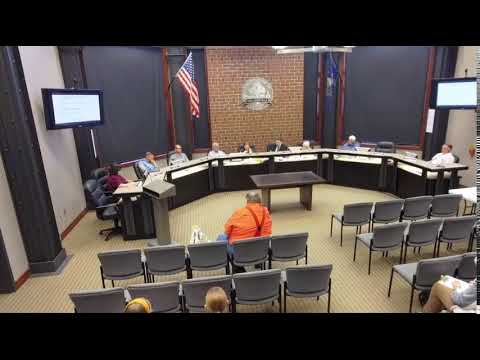
Millersville Borough Council held an extended workshop discussion on proposed updates to the property maintenance code, focusing on additions that would exempt certain native landscapes and rain gardens from the borough’s weeds and tall-grass rules.
Staff proposed an exemption in section 302.4.2 allowing "maintained and weeded natural landscapes" certified by Penn State Extension or a similar program, or documented rain gardens, to be excluded from nuisance enforcement. Rebecca and staff said the exemption aims to encourage native-plant landscaping and allow alternatives to turf without creating extra enforcement burdens.
Council members raised concerns about enforceability and aesthetics, asking how officials would distinguish native plants from invasive species and how to avoid disputes over what looks like "a weed." One council member proposed relying on an authoritative list of permissible native species (for example, the Pennsylvania Department of Agriculture or Penn State lists) and creating a short resident application that includes photos and a plant checklist. Staff said the borough could maintain a registry that is not a posted permit and could include a checklist, proof photos and a highlighted list of accepted species.
"Certifications typically cost money and time, and you're usually having to install the native landscape before the certification takes place," the Council President said, expressing concern that certification could be a disincentive. Council members discussed no-fee registration to minimize burdens and suggested language allowing the council by resolution to set modest fees in the future if workload increases.
The discussion also touched on enforcement standards (for example, not impinging sidewalks or sight lines, and a six-inch vegetation threshold for nuisance enforcement) and the administrative burden of reviewing applications. Staff said the updated property maintenance code is being aligned with the 2024 International Property Maintenance Code, replacing the borough's 2009 adoption, and asked council to review draft language before the May 12 workshop when the ordinance could be advertised.
Why it matters: The change would affect residents who want to replace turf with native meadows or rain gardens by setting the standards for when such plantings are protected from nuisance citations and how the borough monitors compliance.
Next steps: Staff will draft application language, include references to a noxious-plant list and native-species resources, and return the ordinance language for further council review at the May 12 workshop.