Get Full Government Meeting Transcripts, Videos, & Alerts Forever!
Get email alerts on the Measure N topic
No spam. Unsubscribe anytime.
Measure N oversight chair urges fiscal caution, recommends narrowing committee role
Summary
Nick Ortiz, chair of the Measure N citizens oversight committee, told the council the measure has delivered safety gains but warned that ongoing obligations and a $12 million general‑fund transfer threaten long‑term stability; he urged building reserves, prioritizing direct infrastructure and shifting the committee to post‑hoc oversight.
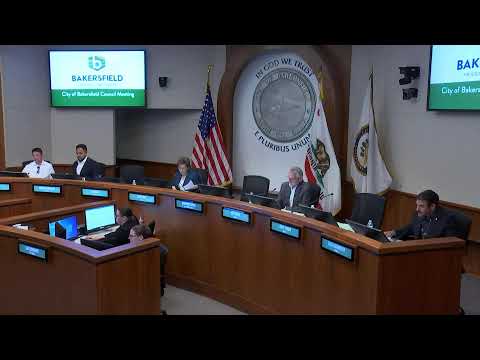
Nick Ortiz, chair of the citizens oversight committee for Measure N, told the Bakersfield City Council on May 18 that the voter‑approved sales tax has produced measurable public‑safety results but now faces fiscal strain.
“Measure N has changed the city,” Ortiz said, citing committee findings that homicides are down 57 percent and shootings down 60 percent and that the city has moved more than 400 people into permanent housing. Still, Ortiz warned, nearly three‑quarters of PSVS spending is locked into ongoing costs and the committee has repeatedly opposed unspecified transfers to the general fund. He cited a $12,000,000 transfer and pension cost growth as central fiscal risks.
Ortiz recommended three changes. First, he urged increasing contributions to the Section 115 trust and the city’s rainy‑day fund to protect long‑term stability, describing $5,000,000 a year as a helpful but insufficient start against a roughly $450,000,000 unfunded pension liability. Second, the committee chair said the city should redirect PSVS dollars toward direct infrastructure and core public‑safety facilities rather than spending voters did not expect. Third, Ortiz proposed a structural change: narrow the committee’s pre‑budget vetting role and align it with the more common post‑hoc audit model used in other California cities.
Members of the council responded with questions about how PSVS transfers have shaped general‑fund cuts and whether the committee’s narrower role would reduce citizen voice. Council members discussed referring the ordinance and the committee’s governing resolution to staff for a legal and procedural review; staff noted the ordinance is voter‑approved and would likely require a ballot change, while the resolution can be amended by council action.
Ortiz also criticized the committee’s meeting logistics—late materials, ad hoc meetings and overdue audits—which he said conveys disrespect for volunteers’ time. He suggested giving the committee a clearer calendar, better materials and more timely audits to strengthen citizen confidence in Measure N oversight.
The oversight committee’s report kicked off council discussion about whether to direct more PSVS money into reserves, hold optional CIP spending in contingency, and seek the committee’s recommendations for how one‑time PSVS funds should be spent. The council did not make any immediate policy changes during the meeting; staff were asked to return with ordinance/resolution language and further analysis.