Get Full Government Meeting Transcripts, Videos, & Alerts Forever!
Get email alerts on the Ethics Disclosures topic
No spam. Unsubscribe anytime.
Chesapeake Beach ethics commission reviews disclosure filings, plans ordinance revisions
Summary
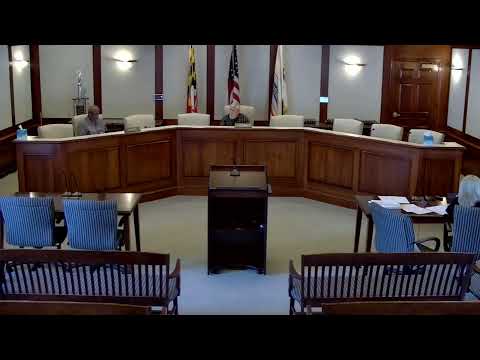
At a regularly scheduled meeting the Chesapeake Beach Ethics Commission reviewed annual disclosure filings, identified several missing filers and agreed to draft revisions to the town ethics ordinance to clarify who must file and to streamline the disclosure packet.
The Chesapeake Beach Ethics Commission reviewed its annual disclosure statements and agreed to draft revisions to the town’s ethics ordinance to clarify who must file and to simplify the filing packet. Chair led the discussion, reported the commission had "received statements from all those who are obligated to do so," and identified several officials whose forms remain outstanding.
Why it matters: The commission’s work will determine which town officers, staff and volunteers must disclose financial and contractual relationships. Commissioners said clearer ordinance language and a shorter questionnaire will reduce administrative burden and help avoid trivial technical corrections that have previously slowed enforcement.
At the meeting the commission noted three specific people from whom they had not yet received statements. The Clerk said, "I haven't received from the council, Dan Duvall," and named two other officials, including Victor Guido of the board of elections. Commissioners discussed allowing additional time and additional reminders before pursuing sanctions. "The monetary fines we can levy [are] puny and probably don't have much of a deterrent," the Chair said, arguing against immediate penalties and in favor of giving filers a chance to comply.
Commissioners also discussed a written inquiry from one official who believed the commission had referenced his disclosure in a prior meeting. The Chair said the commission had "no collective recollection" of that reference and asked the official to provide specific timestamps or written particulars so staff could investigate and the commission could respond.
On ordinance revisions, the Chair said the current list of required filers in the town ordinance "no longer reflects the realities" and cited the recent addition of a town planner role that is not listed. The commission agreed to draft clearer language to establish who should be required to file—distinguishing elected officials and certain executive officers from outside consultants and advisers. The Chair argued that outside lawyers and similar consultants, who typically have multiple clients, should be treated as advisers rather than officers required to file.
To reduce paperwork for filers, the Chair proposed splitting the disclosure packet into two parts: a background description that explains the purpose of the disclosure and a separate questionnaire. The Chair volunteered to prepare a draft reformatting and circulate it to the commission for comment.
Next steps: Commissioners agreed to draft proposed ordinance language and form revisions, route them to the mayor and administrator, and then present the draft to the town council and the State Ethics Commission for review. The commission set a follow-up meeting in mid‑June (proposed June 15 at 1:00 p.m.) to continue editing the ordinance.
The meeting record indicates no formal motions or votes were taken on these items during this session.