Get Full Government Meeting Transcripts, Videos, & Alerts Forever!
Get email alerts on the Transit topic
No spam. Unsubscribe anytime.
Fare‑free policy and stop additions credited with ridership gains on Martin County’s Marty system
Summary
County transit partners reported a 20% ridership increase since July 1 and a 37% gain after Marty went fare‑free in November; staff announced plans to add 21 stops and a route optimization study to sustain growth.
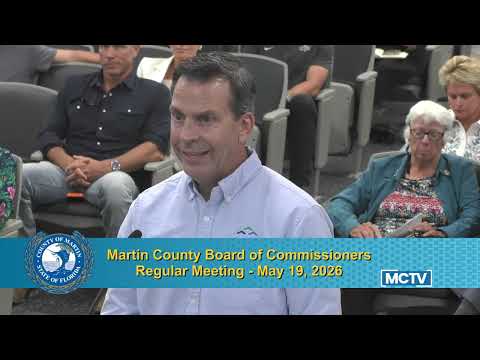
Karen Deagle of MCT LLC (Senior Resource Association) and Chris Stevenson, Martin County Transit’s director of transportation, reported to commissioners that ridership on the Marty system has grown since SRA began operating the service. Deagle said ridership is up about 20% since July 1, and Stevenson said the system saw roughly a 37% increase after the county adopted a fare‑free policy in November.
Stevenson outlined operational steps to build on that growth: 21 candidate bus‑stop locations have been identified across multiple routes that require only minimal infrastructure (a ground pad and signage), and the county has engaged Michael Baker International to conduct a route optimization study (work started May 1) to evaluate routes, stops and hours of service, and the role of microtransit options.
Commissioners asked whether the fare‑free change generated press or community reaction; staff said local media coverage in November–December helped publicize the policy and that riders have reported improved mobility and quality of life. Commissioners also discussed the logistics and administrative savings from eliminating fare collection and noted federal grant rules about fare revenue accounting.
What’s next: Staff plans to pursue the 21 stop additions with FDOT and local municipalities as needed, continue the route optimization study, and report back to the board on implementation steps and costs.