Get Full Government Meeting Transcripts, Videos, & Alerts Forever!
Get email alerts on the Stormwater Funding topic
No spam. Unsubscribe anytime.
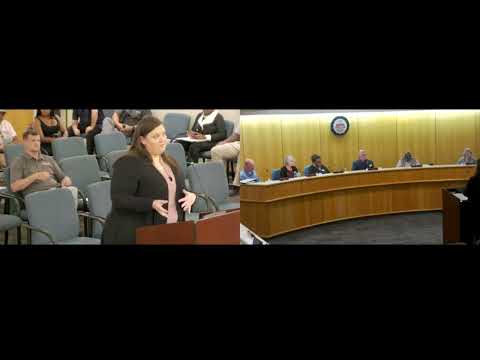
Hope Mills board debates moving three street positions into stormwater fund to avoid tax increase
Summary
At a special budget workshop, town staff defended shifting three street positions into the stormwater fund as legal and necessary to avoid a $232,946 general-fund shortfall that officials said could otherwise require about a 1¢ property-tax increase; some commissioners warned the change could degrade street maintenance.
At a special budget workshop, Hope Mills officials debated a proposal to shift three street positions from the general fund into the stormwater fund — a move staff said is lawful and would avoid a $232,946 draw on the general fund that could otherwise require roughly a 1¢ rise in property tax.
Beth (stormwater staff) told the board the change is permissible under the town’s stormwater funding rules and linked the move to program requirements under the town’s NPDES permit. “One of the requirements of our permit is to advertise the program,” Beth said, noting stormwater outreach, giveaway items and household hazardous-waste mailers are charged to the stormwater budget.
Chancellor (town administration) explained the fiscal mechanics: shifting the three positions into stormwater avoids a $232,946 general-fund expenditure, which he said equates to “about a little over 2¢ of tax” if the town had to replace that amount from property-tax revenue. He and other staff told the board the approach is used by other municipalities to keep the general fund stable while funding stormwater-related work.
Several commissioners pushed back. Commissioner Marley warned that moving salaries out of the street fund would reduce money available for preventive maintenance and street repairs. “If this does happen… we’re not gonna have the money in the fund to go out there and make the street repairs,” Marley said, urging the public be informed about potential service impacts.
Britney (town staff) said the recommendation reflected program administration concerns, adding that using stormwater revenues for allowable salary costs preserves funds for stormwater projects rather than general operations. Commissioners emphasized public perception and audit risk: some said the optics of moving long-standing street costs into a new fund could prompt questions from the state auditor or residents.
Mayor (S1) summarized the trade-offs and fiscal context: 1¢ on the property-tax rate yields about $210,000 for the town, and staff are balancing that revenue against program requirements and the need to avoid a tax increase before the June 30 budget-adoption deadline.
The board did not take a final vote on personnel funding during the workshop; staff and board members said the matter will be reflected in the proposed budget and is subject to public hearing and final adoption in the coming weeks.