Get Full Government Meeting Transcripts, Videos, & Alerts Forever!
Get email alerts on the Tax Increment Financing topic
No spam. Unsubscribe anytime.
Board presses Jerome on TIF proposal as counsel outlines 25% revenue share to district
Summary
Board members probed a proposed Jerome TIF that counsel said would return 25% of incremental revenue to District 186; members warned the long-term impact could still divert millions from the local tax base and asked staff to keep advocating and monitoring legal safeguards.
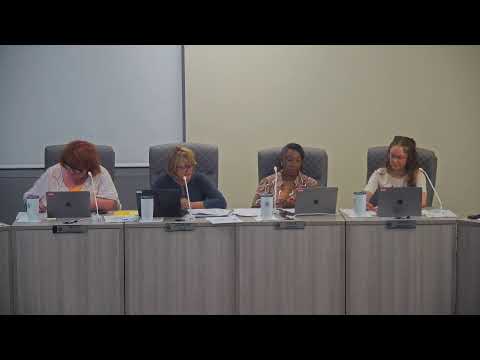
The Springfield Public Schools District 186 board spent a prolonged portion of its May 18 meeting pressing for details after the village of Jerome moved to implement a proposed Tax Increment Financing district that the board fears would reduce school tax revenue.
Brown, Hayes & Stevens counsel, introduced to the board as Mr. Sheeran, told trustees the current proposal would return 25% of TIF revenue to District 186. “If a dollar comes in, a quarter is distributed back to district 186,” he said, describing the straight-percentage arrangement the village offered after earlier negotiations that had produced an estimated 19% return in prior discussions.
The board and district staff clarified the stakes. Using the village’s projections, counsel and staff estimated the district’s share under the 25% structure would amount to roughly $1.65 million over the life of the TIF, compared with an earlier 19% estimate of about $1.2 million — figures board members contrasted with a $4.3–$4.5 million impact the TIF could have on the district’s tax base over the same period.
“We’ve had to scrutinize every single one of these,” a board member said, noting the district’s broader revenue pressures this year. Trustees pointed to a larger fiscal picture in which multiple TIFs and tax-exempt properties remove parts of the tax base from general taxation, and observed that a majority of taxing bodies’ influence over a village decision is limited to the joint review board process and recommendations. Mr. Sheeran reminded the board that joint review board votes are advisory and that final authority rests with the village board.
Board members also asked about safeguards in the agreement: whether the village would commit to not request extensions, whether certain properties would be excluded, and how a surplus-payment structure would work if state law changed. Counsel said the village had tentatively agreed to exclude a pair of properties and indicated some willingness to cooperate on near-term infrastructure improvements (for example, bus-stop or crossing upgrades) that could benefit district students in the TIF area.
Trustees requested continued engagement with Jerome officials, transparency about exact boundary language, and monitoring of pending state legislation that could alter TIF surplus payments. No formal board action was taken; the discussion was recorded as old business and staff were directed to keep negotiating and reporting back to the board.
What happens next: the village board must vote to enact the TIF; as counsel and staff emphasized, the district’s earlier joint review board recommendations are not binding. The board said it will continue to press for clearer revenue-sharing language and specific, near-term infrastructure commitments if the village moves forward.