Get Full Government Meeting Transcripts, Videos, & Alerts Forever!
Get email alerts on the Budget Forecast topic
No spam. Unsubscribe anytime.
Eastern York SD board advances 1.00-mill proposal after extended debate on closing a multi‑million-dollar gap
Summary
Board members spent over an hour weighing small, cumulative tax increases and budget tradeoffs; after discussion the board directed staff to place a 1.00-mill increase on the agenda for a Thursday vote, while some members urged a larger 1.25-mill raise to avoid a future referendum.
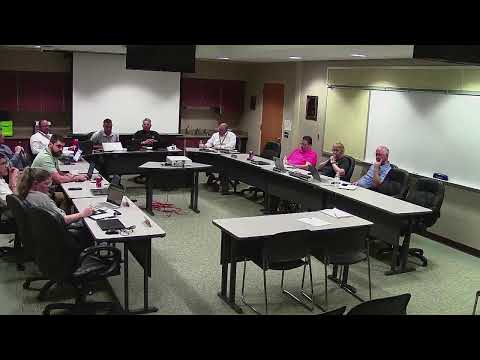
Eastern York School District board members debated options to close a persistent structural gap in the district budget and agreed to advance a 1.00-mill tax increase to the next meeting for formal consideration.
The district’s finance presenter (Finance Director, speaker 2) walked the board through five-year projections showing the different revenue outcomes of small, incremental millage increases. He said a 0.75‑mill increase would add about $4.3 million over five years, a 1.00‑mill increase about $5.7 million and a 1.25‑mill increase about $7.2 million, noting that even modest increases compound year to year and affect future budgets.
Board members framed the options as a choice between “small bites” that avoid sudden shocks and larger near‑term increases to reduce the likelihood of a future referendum. One director argued for steady, incremental increases, saying boards historically resist tax hikes and a small, regular increase is less painful than waiting to catch up. Another member said special-education cost growth and other uncontrollable expenses have produced the current $3.4–$4.0 million gap and that the district will likely need multiyear relief.
Several board members stressed the community impact. One member expressed concern that a 1.25‑mill increase would be unaffordable for some low‑income homeowners and could push residents to move out of the district; another said the district lacks commercial growth that would otherwise soften the residential tax burden. The group discussed homestead/farmstead exemptions and how the state’s funding formula favors some districts over others.
After extended discussion and a read of individual preferences, the chair summarized that six members indicated support for a 1.00‑mill proposal "for Thursday." Chair (speaker 1) then stated, "So we'll do 1," directing staff to place the 1.00‑mill option on the board’s upcoming agenda for a formal vote.
The board did not take a final vote on the millage increase at this meeting; the Thursday session will be the next procedural step. Officials said staff will supply detailed budget options and the administration’s recommended language for the proposed millage resolution ahead of that meeting.
What happens next: The board will consider the 1.00‑mill proposal at the scheduled Thursday meeting; if that proposal does not pass, members discussed sequentially considering other millage options (including 1.25). The finance director said the district will continue to pursue internal cost controls and outreach on long‑term revenue strategies in parallel with the millage decision.