Get Full Government Meeting Transcripts, Videos, & Alerts Forever!
Get email alerts on the Environment topic
No spam. Unsubscribe anytime.
Residents urge stronger air, water and tree protections during data‑center moratorium
Summary
Public commenters at the Rowan County commissioners meeting praised the recent data‑center moratorium and urged specific protections for air, water, utility rates and tree preservation; speakers asked the board to require development contracts to retain old growth and to curb clear‑cutting.
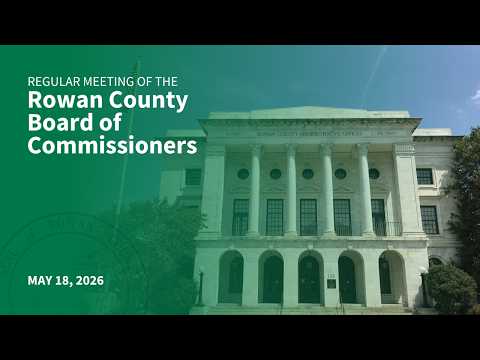
Several Rowan County residents used the public‑comment period on May 18 to press the Board of Commissioners for stronger protections during the county's temporary moratorium on data center approvals.
Kat Nolan thanked the board for adopting the moratorium and urged the commissioners to use the pause to require protections for air and water, and to guard residents against rising utility rates tied to industrial water use. Nolan cited a recently published county health profile showing Rowan fares worse than the U.S. average on environmental risk and said the data center has not even been constructed yet.
"The practice of clear cutting an entire lot has to stop," Nolan said, recommending contract clauses that preserve a substantial share of old‑growth canopy (for example, a 30% tree cover with at least half from old growth). Laura Fitzgerald and other speakers echoed tree‑preservation concerns, described clear‑cutting observed around new development, and asked the county to prioritize existing ecosystems rather than replant small saplings that provide little immediate cooling.
At least one commenter connected the moratorium to water scarcity: residents worried about large water draws during drought conditions and asked the board to consider water‑use limitations. Others raised questions about corporate tax incentives and transparency in how projects were represented to the public.
The board did not take immediate action beyond receiving comments, but commissioners and staff have flagged environmental, public‑health and infrastructure issues as priorities during the moratorium period.
Next steps: Residents requested that staff draft concrete moratorium conditions (limitations on clear‑cutting, water‑use restrictions, and minimum tree‑retention language) for future board consideration.