Get Full Government Meeting Transcripts, Videos, & Alerts Forever!
Get email alerts on the Cannabis Revenue topic
No spam. Unsubscribe anytime.
Finance director details roughly $1M in cannabis excise receipts; council debates using money for road resurfacing
Summary
Finance Director Larry Hartlob told Riverside City Council the city received a $538,653.92 backlog payment and monthly adult-use cannabis distributions of roughly $35,000–$40,000; councilors debated earmarking the new revenue for road resurfacing but made no formal decision.
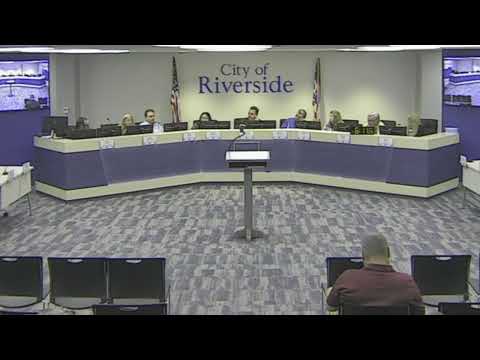
Riverside — Finance Director Larry Hartlob told the City Council on May 18 that the city has begun receiving state distributions tied to adult-use cannabis and that those receipts materially improve short-term cash projections, though they are not a long-term fix for structural budget shortfalls.
Hartlob said the state recently remitted a backlog payment of "$538,653.92" that covered sales dating back to August 2024. He said subsequent monthly distributions have ranged "between $35,000 and $40,000 per month," and staff projects recurring distributions in the range of "$420,000 to $480,000 a year." With back pay included, Hartlob said this fiscal year could yield roughly "$958,000 to $1,000,000" in cannabis-related revenue, but he emphasized the amount is variable because it depends on retail sales and a lag in state distributions.
The finance director placed the new revenue in context of the city’s larger budget picture: income tax remains the largest revenue source (about $11 million projected), property tax provides roughly $2.6 million, and salaries and benefits are the largest expense. Hartlob said staff’s baseline projection shows an approximate $1,000,000 annual structural gap under current assumptions, and that the cannabis receipts move the city’s cash-balance trajectory in a positive direction but do not eliminate long-term funding pressures.
Councilors then discussed how to use the newly arriving money. Council member Freda Patterson urged directing cannabis distributions to roads, saying the city should ‘‘save until we have enough to at least do one street’’ and use the funds for resurfacing rather than routine patching. She said she would "like a 100% to go into restructuring and surfacing of roads," urging tangible demonstration of progress to residents.
Other councilors cautioned against portraying the funds as a comprehensive road-funding solution. Ms. Frey and Deputy Mayor Maxfield warned that the projected annual amounts "will not even scratch the surface" of a full residential paving program and said the city should avoid promising a scope it cannot deliver. One councilor recommended pairing modest, visible projects with a broader long-term funding plan — for example, exploring a future levy or bond to support a comprehensive pavement program.
Council members also questioned timing and dependencies: Hartlob noted distributions are subject to state appropriation and timing lags, and he cautioned that the city could not fully rely on the revenue in perpetuity. On cash reserves, Hartlob said a 20% cash ratio (roughly 2.5 months of expenses) is a best-practice target and that reserves below about 15% could attract state scrutiny.
Outcome and next steps: Council did not adopt any policy to dedicate cannabis receipts to roads during the meeting. Staff said the revenues materially improve near-term cash projections and recommended continued monitoring; council members asked staff to return with options that include realistic expectations about what the funds can accomplish and potential long-term funding strategies.