Get Full Government Meeting Transcripts, Videos, & Alerts Forever!
Get email alerts on the Healthcare Procurement topic
No spam. Unsubscribe anytime.
Guam Memorial Hospital outsourcing bill stalls after heated floor debate over 55 affected jobs
Summary
Bill 29038, which would let Guam Memorial Hospital outsource some dietary services and consolidate cafeteria/inpatient operations to save an estimated $1.2–1.4 million annually, failed to move to third reading after lawmakers raised concerns about employee impacts, benefits, transparency and missing RFP details.
Senator Silas Matanati introduced Bill 29038, requested by the Guam Memorial Hospital Authority, to permit consolidation and outsourcing of certain dietary and cafeteria services. The hospital told the committee it expects recurring savings (the sponsor and committee documents estimate about $1.2–$1.4 million annually) and said clinical oversight, dietitian roles and physician-directed diets would remain with the hospital.
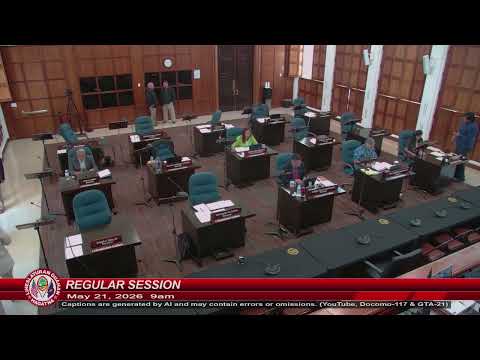
The bill generated extended debate. Several senators voiced sympathy for employees and demanded more information about the proposed RFP and the cost-benefit analysis; one lawmaker said GMH had not provided the RFP and questioned how savings were calculated. Lawmakers repeatedly cited that roughly 55 positions could be affected and pressed whether the private vendor would maintain salaries, benefits and government retirement contributions. The author said impacted employees would have a first right of refusal for positions with the contractor and that GMH planned town halls and cross-training; GMH also said it would attempt to supply any employee comments for the committee record.
Opponents framed the proposal as part of a broader pattern of outsourcing that could hollow out in-house capacity and shift costs to frontline workers; supporters said GMH faces severe fiscal pressures and needs flexibility to reduce operating costs so savings can be redirected into patient care and staffing. A motion to ask GMH to place employee concerns (redacted) into the committee record passed after being narrowed to a request for employee comments or notes rather than full transcripts. When a motion to move Bill 29038 to third reading was put, the motion failed and the bill did not advance that day.
Next steps: sponsors may seek additional documentation from GMH (cost-benefit analysis and redacted employee feedback) and refile or return the bill after more information is provided.