Get Full Government Meeting Transcripts, Videos, & Alerts Forever!
Get email alerts on the Strategic Planning topic
No spam. Unsubscribe anytime.
Trenton Public Schools launches 3‑part strategic‑planning series; leaders point to gains and attendance gaps
Summary
District leaders opened a three‑meeting strategic planning process April 21 at Trenton Central High School, highlighting student assessment gains and investments in technology and community partnerships while community tables flagged chronic absenteeism, third‑grade literacy and inequitable resources as top challenges.
The Trenton Board of Education on April 21 opened a three‑meeting strategic‑planning process and asked families, staff and community partners to help shape district goals for the next three to five years. Board President Darryl Truhart announced the next sessions for May 19 and June 30 at Trenton Central High School and invited public participation.
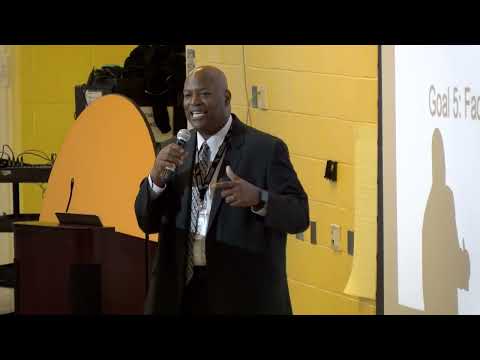
Superintendent James Earl framed the district’s mission—"All students will graduate with a vision for their future"—and identified what he called the district’s "breakthrough result": "high‑level teaching and learning that engages students using relevant curriculum and technology," which he said should guide facility upgrades, professional development and classroom practice. Earl said assistant superintendents maintain evidence portfolios that document progress and that the board and administrative team broke previous five‑year goals into year‑by‑year actions to track results.
Joanne Sung, assistant superintendent for teaching and learning, presented diagnostic assessment data showing steady gains in middle grades and a reduction in the share of students two or more grade levels below benchmark. Sung said some cohorts have growth that exceeds national projected growth percentiles and that multilingual student performance on Spanish‑language diagnostics aligns roughly with national norms.
District leaders highlighted a range of strengths: increased community partnerships, a district rebrand intended to boost local pride, expanded staff professional development, maker spaces and technology investments tied to instruction. Earl cited trauma‑informed care teams, community school models and summer programming as supports that help students arrive ready to learn.
At the same time, both district staff and table reports identified persistent challenges. Earl said the district "exceed[s] the 10%" chronic‑absence threshold the state allows, prompting a tiered attendance response that includes PowerSchool outreach, home visits and care teams. Community tables repeatedly raised student and staff absenteeism, literacy by third grade, transportation, inconsistent resources across schools and substitute‑teacher quality as priorities for action and monitoring.
Participants working at 10 table groups reported common themes: community engagement and steady staff leadership were strengths; attendance, parent engagement, literacy and resource equity were recurring concerns. One table spokesperson, an unnamed board member, praised the Apple Education technology rollout but warned that technology must be linked to instruction, not just device distribution. Facilitators said the group will compile table results, post them on the district website and use them to draft goal areas for the next meeting, which will focus on a "Portrait of a Learner" and produce three to five goal areas to be further developed at the final session.
Mary Ann Friedman of the New Jersey School Boards Association, who facilitated the meeting, reiterated that the process is "ground up," and encouraged participants that no voice at a table is more important than another. The district and facilitator said a write‑up of tonight’s outcomes will be distributed to attendees and posted online ahead of May 19.
The board did not take formal votes at the session; the meeting served to present data, surface community priorities and collect public input for the strategic plan’s next drafting steps.