Get Full Government Meeting Transcripts, Videos, & Alerts Forever!
Get email alerts on the Ems Funding topic
No spam. Unsubscribe anytime.
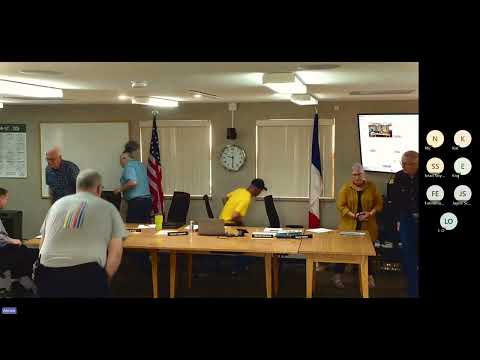
Winneshiek County honors EMS Week and begins talks about a dedicated EMS funding levy
Summary
Supervisors adopted an EMS Week proclamation and discussed drafting a resolution to designate EMS as an essential service and place a funding measure before voters; officials warned the levy would require publication and waiting periods and said any ballot timing and rate remain to be decided.
Steve Vandenbrandt, introduced by the board as the county’s EMS president, presented an EMS Week proclamation and described the county’s emergency medical services and volunteer shortfalls. "When I came to town in 1991, we had nearly a 100 EMS responders in the county," Vandenbrandt said, adding, "So over 35 years we lost over half, and that is not uncommon." He told supervisors WinMed and local volunteer crews together responded to "over 2,001" calls in 2025 and transported roughly 80% of patients.
The board moved and unanimously approved adopting the EMS Week proclamation. Staff and supervisors then turned to a separate, substantive item: a draft resolution that would recognize EMS as an essential service, create an EMS advisory board and establish a dedicated revenue source for EMS through a voter-approved levy.
Staff noted the resolution would not take effect immediately. "It has to be published in the newspaper and then wait 60 days before we have the first reading," a staff member said, describing the procedural steps the board must follow before placing a funding question before voters. Supervisors and the presenter emphasized the board has not yet approved a levy rate or set a ballot date. Several speakers said they were not planning a ballot this November and suggested a later target, with one supervisor noting more time is needed for public education.
Panelists discussed funding options and potential uses of proceeds. The draft would create an EMS-specific account that could be used only for EMS items, including training, equipment and wages. Vandenbrandt estimated the per-person cost to train and prepare a new EMT at roughly $5,000 and said certification recertification occurs every two years. Officials discussed typical local options — a property-tax levy, an income surtax or a combination — and noted counties have used different approaches to spread costs across property owners and other taxpayers.
Board members emphasized that detailed ballot language and financial estimates will be required before any vote. No formal vote authorizing placement of a levy on a ballot occurred at the meeting; supervisors said staff would return with revised draft language and timing options.
The board also acknowledged the proposal’s local stakes: supervisors and attendees described ambulance staffing gaps in neighboring jurisdictions that were eased or worsened depending on whether a county had passed similar measures. If the supervisors choose to pursue the levy, the board will follow the statuteally required publication and hearing process before any referendum can appear to voters.