Get Full Government Meeting Transcripts, Videos, & Alerts Forever!
Get email alerts on the Data Center Proposal topic
No spam. Unsubscribe anytime.
Wisconsin Rapids mayor says data center review slowed after public concern
Summary
Mayor Matt Zacker said the city has slowed consideration of a proposed data center at the old mill site to allow more community input; a conditional use permit application remains with the company and the city plans a press release explaining the status.
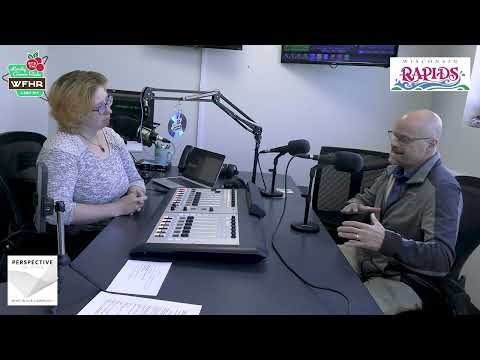
Wisconsin Rapids Mayor Matt Zacker said the city has slowed review of a proposed data center at the former mill site after residents raised concerns, and he urged patience while the company completes paperwork. "We slowed it down. We heard them," Zacker said.
The mayor told WFHR that the delay gives the community time to get information and for the company to finish necessary filings. Melissa Kaye, the host, read from the conditional use permit application that "the capital cost of any required upgrades will be borne by the project, not the city or by the existing rate payers," and that the proposal "is not expected to have any material adverse impact on the availability, reliability, or cost of electric service to Wisconsin Rapids residents or existing businesses." Zacker said the city will issue a press release to clarify the process and the government's role.
Why this matters: the proposal has drawn sustained local attention because of its scale and the site’s existing industrial infrastructure. Zacker outlined the electrical capacity issues that are central to debate and said the city seeks community protections such as a community benefits agreement if a project proceeds.
Zacker described local power arrangements and the potential need for regional upgrades. He said QEDCO provides about 45 megawatts today — "30 from the dams and then they buy 15 more from Alliant Energy" — and estimated the mill site might have capacity for "somewhere between 50 and 70 more" megawatts under some scenarios. He cautioned that large new loads can trigger transmission upgrades by Alliant Energy or American Transmission Company that could carry costs beyond the immediate project. "We're gonna pay for some of that," he said, describing how generation and transmission investments often have regional effects.
The mayor emphasized the difference between private business actions and city authority: he said the site is now private property being marketed by private entities and that city officials do not have unilateral power to admit or block companies. The conditional use permit process, he said, is the mechanism for public hearings and local review; at present, he said, the company has not provided paperwork sufficient to schedule a planning commission meeting.
Zacker also recounted that a previous company, DPO, issued a press release claiming a $200 million investment and later did not proceed. He said that episode illustrates why residents should verify company filings and public-agency records rather than rely only on headlines.
The mayor named possible local responses discussed with residents and stakeholders, including zoning overlays and a community benefits agreement to secure local protections and investments if a project advances. He said officials will continue community conversations and plans to release more detail in the city’s forthcoming statement.
Next steps: Zacker said the city will publish a press release summarizing where the process stands, and residents may contact him directly for questions. "I'm here. I'm listening," he said.