Get Full Government Meeting Transcripts, Videos, & Alerts Forever!
Get email alerts on the Data Centers And Environment topic
No spam. Unsubscribe anytime.
Residents urge moratorium on proposed data centers, warn of aquifer and environmental impacts
Summary
Multiple residents told the board the Carrizo‑Wilcox aquifer could be at risk from planned data centers and urged at least a year of impact studies or a moratorium; speakers presented a 2,526‑signature petition opposing local data‑center development.
Residents and community organizers pressed the board on Monday to slow or stop large data‑center projects they say could deplete the Carrizo‑Wilcox aquifer and harm local wildlife, agriculture and public health.
Natalie Romanek told the board that the aquifer under the region supplies most local fresh water and asked whether permits, extraction limits and impact studies exist for the proposed data centers. "Every bit of water that is drilled…comes from this aquifer," Romanek said, asking whether the city and regional agencies had consulted Texas A&M, state water boards and fish and wildlife officials.
She urged the city to require comprehensive studies before approving any water‑intensive projects, saying such studies should take "minimum 1 year" to evaluate groundwater depletion, species impacts and related permits.
Carol Lindy, identifying herself as a mother and teacher, urged a moratorium or outright ban on the projects that organizers say would occupy thousands of acres. Lindy cited examples from other states where residents complained of water and energy strain and said promised economic benefits often failed to materialize.
An organizer who presented a packet to the board said a petition opposing the projects had 2,526 signatures and had raised $6.84 to boost the petition's visibility on change.org; printed copies of the packet were offered to staff.
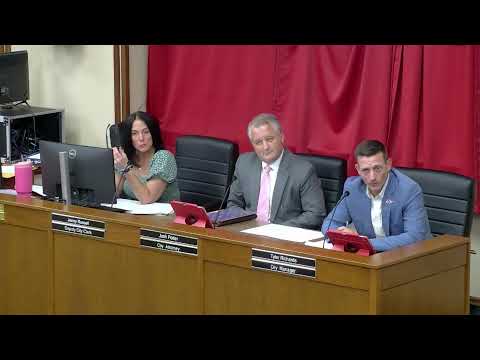
Board members and staff did not adopt a moratorium at the meeting. Several officials encouraged residents with detailed concerns to submit written questions and evidence so staff can research permits, extraction rates and agency contacts. City staff said they would assist with information requests and that residents can provide additional documentation to be included in the public record.
The comments add urgency to questions about how proposed industrial water users would be permitted and monitored across state lines; residents asked the board to seek input from regional scientific and wildlife authorities before any approvals proceed.