Get Full Government Meeting Transcripts, Videos, & Alerts Forever!
Get email alerts on the Permitting topic
No spam. Unsubscribe anytime.
Walton County pilots AI-assisted plan review to speed permits for single-family and multi-unit projects
Summary
County staff and SWIFTGov partners told a South Walton workshop they are using an internal AI tool aimed at reducing resubmittals and shortening review times for single-family homes, townhomes and multifamily projects, with commercial reviews planned next.
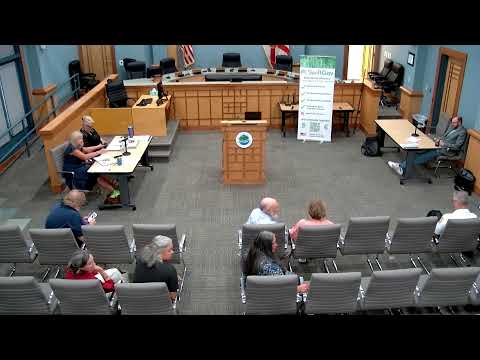
Walton County development staff and a SWIFTGov representative told residents at a District 5 workshop that the county is using an AI-assisted internal tool to speed building-permit reviews and improve consistency.
At the session Sabrina Dugan, a managing partner with SWIFTGov, described the tool as an internal review aid. "Walton County is utilizing SWIFTGov as an internal AI tool to better support staff with faster permitting," she said, adding the system is currently used for subdivisions, townhomes, apartment complexes and single-family homes, with commercial permitting to follow.
Steven Schoen, director of Walton County Development Services, described the change as part of broader efforts to make the building-permit review (BPR) process more efficient and consistent. "It is all aimed at efficiency and consistency," Schoen said, explaining that SWIFTGov will help produce standardized checklists and reduce repetitive staff reviews.
Staff outlined how the process works: applicants submit packages to the county’s EnerGov portal; an initial completeness check routes applications to subject-area reviewers; SWIFTGov standardizes reviewer checklists and flags missing items so staff can focus on technical exceptions. Donnie Sway, the county’s building-permit review manager, listed common resubmission reasons—stormwater calculations, parking and incorrect finish-floor elevations—and said clearer checklists can raise first-pass approval rates.
Fire district and other partner agencies asked about operational compatibility. A representative of the independent South Walton Fire taxing district noted separate review obligations and asked whether the fire district could "piggyback" on county systems to avoid duplicate work; staff offered to demonstrate integrations after the session.
Staff and the SWIFTGov team said the change responds to statewide pressures for shorter review times and to local concerns that review delays raise holding costs and housing prices. They emphasized that SWIFTGov is a staff-facing tool, not a replacement for statutory review responsibilities: staff will still apply applicable code standards and public-safety rules.
Workshop staff said the county will continue targeted roundtables and post guidance documents online. They invited contractors and partner agencies to one-on-one demonstrations so agencies that run separate reviews can explore integration options.