Get Full Government Meeting Transcripts, Videos, & Alerts Forever!
Get email alerts on the Transit Millage topic
No spam. Unsubscribe anytime.
Livonia residents urge support for Wayne County transit millage, citing equity and access
Summary
Dozens of Livonia residents told the City Council that a countywide transit millage would expand mobility for seniors, students and people with disabilities, while others warned it could undermine local paratransit services; council members took no vote on the millage but agreed to assess sidewalk and stop improvements for new developments.
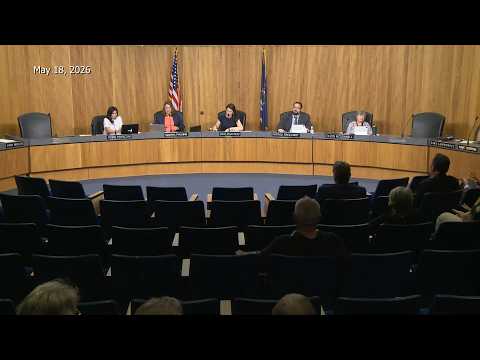
Dozens of Livonia residents used the council’s public-comment period to press the city to support the Wayne County transit millage that will appear on an August ballot, saying expanded regional bus service would improve access to jobs, education and health care.
"Public transit is not just a convenience, it's a bridge to the American dream," said Justin Gooch, who identified himself for the record and urged listeners to vote yes on the transit expansion. Several other speakers described concrete hardships without reliable transit: missed scholarships, infeasible travel to college, and high out-of-pocket costs for rides.
Residents with disabilities and local advocates described how a broader network would increase independence. John Waterman, executive director of PEAK, introduced participants who described learning to use buses and the lack of local routes that leave many people effectively housebound. "When you invest in accessible, reliable public transportation, you're investing in your community," Waterman said.
Supporters cited local data and cost estimates. Ella Sangdahl, who identified herself as a Livonia resident, cited U.S. Census and SEMCOG figures she said show more than 1 in 5 Livonia residents are seniors, about 12 percent have a disability and roughly 3 percent of households do not own a car; she also noted the estimated property-tax cost for the proposal at about $12 per month for a $300,000 home, which she argued is modest compared with monthly vehicle costs.
Not all commenters supported the millage. John Pastor, who identified himself as a Livonia resident, said he opposed the measure because he believes it would reduce local control and might not serve people outside main corridors; he asked why the city would give up the Livonia transit model that provides curb-to-curb service for seniors and people with disabilities.
Council members did not vote on the millage at the meeting; instead, council members and staff answered procedural questions and said the council would continue outreach. Vice President Brockway and other members encouraged residents to use study sessions or email council when they want detailed answers ahead of meetings.
Why it matters: Residents stressed that expanded regional transit could open access to work and education for people who cannot afford a car, while opponents warned of potential loss of current local services. Council members said staff can pursue targeted improvements such as additional sidewalks and bus-stop work near proposed developments.
Next steps: No formal council action on the millage was taken at the meeting. Council directed staff to pursue outreach with property owners around Millennium Park about sidewalk and bus-stop improvements and to continue communicating with residents about options for asking detailed questions outside the regular meeting forum.