Get Full Government Meeting Transcripts, Videos, & Alerts Forever!
Get email alerts on the School Configuration topic
No spam. Unsubscribe anytime.
Board debates returning to K–5 schools; administration stops short of recommending change
Summary
Trustees, principals and district staff spent an extended discussion weighing the benefits and costs of returning to K–5 schools. Superintendent Parsons recommended against an immediate reconfiguration; trustees asked for a community stakeholder survey and further fiscal analysis before any decision.
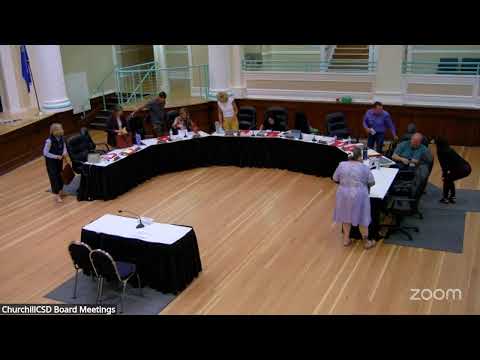
The Churchill County School District Board on May 1 discussed whether to revert from its current grade-level school structure back to a K–5 model, but took no formal action.
Superintendent Daryl Parsons summarized the district’s historical decision to move to grade-level schools and said the original switch was driven primarily by cost-saving needs. “My recommendation right now would be not to go this direction,” Parsons said, citing the disruption of a district-wide reconfiguration and substantial logistical work required to move facilities, furniture and programs.
Trustee (speaker 8) urged the board to remember the original rationale for change and to weigh student outcomes. “The decision in 2015 was made due to a budgetary crisis, not due to what was best for our students,” the trustee said, calling for an examination of achievement data and a community discussion about whether the district should prioritize student outcomes over historical savings claims.
Principals who spoke described different local experiences. One principal said keeping cohorts together can build continuity and pride: “You walk through a school and you say this is the class of … and they’re growing up together.” Another principal warned that grade-level schools can shield younger students from harmful behaviors sometimes seen among older students and that the current configuration has helped manage behavior and safety in some buildings.
Administration presented cost considerations documented in past board minutes—playground and restroom retrofits, classroom moves, and potential moving costs—and noted several one-time renovation items could be costly though exact historical moving costs were not retrievable. Staff also identified tradeoffs that originally accompanied the switch, such as administrative staffing changes and temporary cuts to electives during the reconfiguration period.
Rather than pursue an immediate change, trustees directed staff to gather more information. Board members asked for comparative achievement data (pre- and post-reconfiguration), a clearer accounting of historical and projected capital and operating costs, and broader stakeholder engagement. The board’s master-plan task force and administration will work on a proposed process that includes a community survey and additional financial analysis; if community interest is strong the board may consider commissioning a fiscal study and returning with a plan for staged implementation or other options.
The discussion was informational only; no motion to change school configuration was made. Trustees said they want a deliberate, evidence-based process and community input before any decision about reconfiguration moves forward.