Get Full Government Meeting Transcripts, Videos, & Alerts Forever!
Get email alerts on the Appeals Process topic
No spam. Unsubscribe anytime.
Policy advisory committee debates appeals process language, timelines and retaliation reporting
Summary
The North Kingstown Policy Advisory Committee reviewed a draft appeals policy, debating whether appeals fall within the committee’s authority or the policy’s scope, timelines for hearings and how retaliation reports should be filed; members tabled the item for further edits before forwarding it to the school committee.
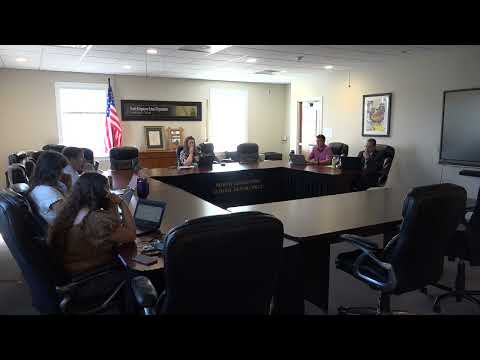
The North Kingstown Policy Advisory Committee spent substantial time reviewing a draft appeals policy that would guide how students and families request reviews of district decisions and disciplinary actions. Aaron Earl, school committee chair, opened the discussion by calling for clarity on whether an appeal "falls within its authority under this policy" or more broadly within the committee's jurisdiction.
Committee members focused on two practical questions: how quickly appeals should be scheduled, and who should receive and process retaliation reports. Several members urged flexibility around scheduling so urgent appeals can be heard at a special meeting rather than waiting for the next regularly scheduled meeting. "Within a reasonable time frame, generally, not to exceed 30 days," a member suggested as workable language for the policy, acknowledging summer scheduling constraints.
On reporting retaliation, members recommended referencing the district’s general incident/reporting form and naming likely recipients so parents know where to report. Andrew Henness, the committee attorney, urged language that directs reports "through general reporting forms or to the superintendent," while noting it is safer to reference the form on the NK website rather than hard-linking pages that might move.
The group debated the difference between a policy's scope and the committee's legal authority, and whether the policy should require that appeals be considered at the "next available regularly scheduled meeting" or within a set number of meetings unless parties agree otherwise. Several members said a clear but flexible timeline and a procedural fallback (special meeting or 30-day target) would give parents expectation without unduly constraining administrators.
The committee did not adopt final language. Members agreed to revise the draft offline, consult building administrators as needed, and return a refined version for further consideration before forwarding it to the full school committee. The policy was tabled for additional edits; the committee plans to revisit it at its next policy meeting.