Get Full Government Meeting Transcripts, Videos, & Alerts Forever!
Get email alerts on the County Budget topic
No spam. Unsubscribe anytime.
Johnston County manager proposes $421.9 million budget, holds property tax rate at $0.52
Summary
County Manager Rick Hester presented a FY26‑27 proposed general fund budget of $421,900,000, recommending the property tax rate remain at $0.52 per $100 valuation while using up to $8.7 million in reserves and pausing 28 general‑fund positions; public hearings are scheduled June 1 and adoption is possible June 15.
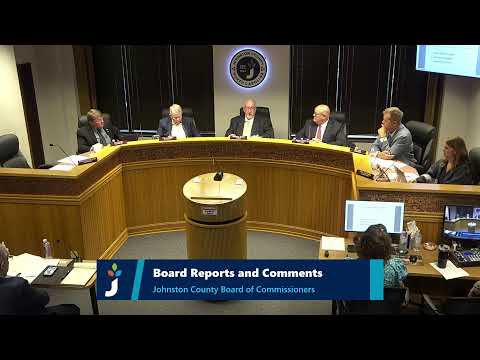
County Manager Rick Hester presented a proposed fiscal year 2026–27 budget to the Johnston County Board of Commissioners on May 18 that would keep the county’s property tax rate at $0.52 per $100 valuation while increasing the general fund to $421,900,000, a 2.2% rise over the current year.
Hester told commissioners the proposal uses a mix of revenue and a draw on reserves to balance the plan: he recommended taking $8,700,000 from the county’s general fund reserves but said actual savings during the year could reduce that draw. “With my proposal, the property tax rate would remain at 52¢ per $100 valuation,” Hester said in the presentation.
The proposed budget continues funding priorities for education and public services. Hester said the plan includes $113,000,000 for Johnston County Public School operations and $3,500,000 for school capital needs. For Johnston Community College, the proposal includes just over $10,000,000 for operations and $1,200,000 for capital.
To limit near‑term spending, Hester recommended pausing 28 new positions requested by departments for the tax‑supported general fund while allowing four new positions in the public utilities enterprise fund to proceed because those roles are funded by water and sewer customers. He also recommended a landfill tipping fee increase from $48 to $50 per ton.
Commissioners pressed staff on the prospect of water and sewer rate increases tied to long‑range capital needs, and Hester said those rate changes reflect an evolving capital improvement plan, state and federal testing and regulatory requirements, and potential debt service on future treatment‑plant projects. “Part of it is the long range capital improvement plan,” he said when asked why rates are proposed to rise.
Hester said some cost pressures stem from new debt payments tied to ongoing school rebuilds and voter‑approved bonds, rising health‑insurance costs, and other operating pressures. He noted a public hearing is scheduled for 10 a.m. on June 1, with additional budget meetings that evening and on June 15; the legal deadline for a budget adoption is June 30.
The presentation prompted discussion about transparency and more public engagement during budget development; several commissioners proposed workshops earlier in the next budget cycle to review assumptions and revenue projections in greater detail.
The manager’s presentation is the next step in the county’s adoption process; no adoption vote was taken at the May 18 meeting. The board will hold the scheduled public hearings before any formal adoption vote.