Get Full Government Meeting Transcripts, Videos, & Alerts Forever!
Get email alerts on the Attendance topic
No spam. Unsubscribe anytime.
Long Beach CAC: district cites 24.5% chronic absenteeism, outlines tiered recovery plan
Summary
Jennifer Adarte, the district’s director of student support services, told the CAC chronic absenteeism is 24.5% districtwide and described tiered SART teams, tier‑2 site interventions and planned tier‑3 case management for students with 50+ absences.
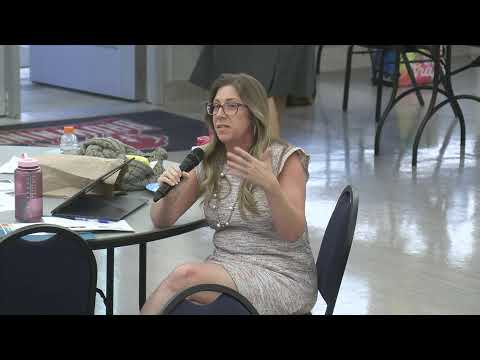
Jennifer Adarte, Long Beach Unified’s director of student support services, told the CAC that chronic absenteeism is high across the district: “Our chronic absenteeism rate is at 24.5 percent district wide,” she said, adding that chronic absenteeism means missing 18 or more days per year.
Adarte outlined a tiered approach to reengage students. Tier‑1 is universal prevention; tier‑2 work places attendance‑recovery teams at sites (SART teams) that bring together nursing, mental‑health and counseling staff, teachers and administrators to build plans for students who are beginning to show attendance problems. For the highest‑need students (tier‑3), she said the district will move toward case management in the 2026–27 school year to support students with 50 or more absences.
Adarte encouraged parents and CAC members to use a short parent survey available in English, Spanish and Khmer that the district is circulating at IEP meetings to collect parent voice and guide improvements. She said the district is also publishing attendance trackers on every school site web page and posting materials about sense of belonging to bring data and context to families.
The district framed attendance as linked to school climate and student mental health: presenters connected chronic absence to higher suspension rates and lower feelings of belonging and said some supports will be delivered through state‑approved mental‑health provider contracts where on‑site services have been reduced.
What’s next: staff said the district will continue site‑based SART work, expand tier‑3 case management next year, and monitor parent‑survey responses to refine interventions.