Get Full Government Meeting Transcripts, Videos, & Alerts Forever!
Get email alerts on the Press Qanda topic
No spam. Unsubscribe anytime.
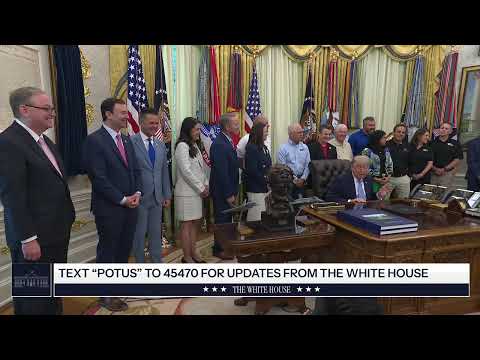
President fields questions on birthright citizenship, Iran and AI postponement at White House event
Summary
In a wide-ranging press session, the president criticized a pending Supreme Court matter on birthright citizenship, characterized a recent tariff ruling as costly, described U.S. naval control of the Strait of Hormuz and said he postponed an AI executive order because he disliked aspects he believed might impede U.S. leadership.
During the question-and-answer portion of the event, reporters pressed the president on an array of topics including the Supreme Court, immigration, Iran and technology policy. The president criticized a recent tariff-related Supreme Court ruling as potentially costing the U.S. $149 billion and said a pending case on birthright citizenship would be "a disgrace" if the Court allowed it to stand. He urged passage of a ‘‘Save America Act’’ that he linked to voter ID and related election changes.
On foreign policy, the president responded to questions about Iran and maritime security, saying the United States has "total control of the Strait of Hormuz" and that a naval blockade had been "100% effective." He said the primary objective was ensuring Iran would not acquire a nuclear weapon. When asked about reports that Oman and Iran had discussed tolls for passage through the strait, the president said, "We want it free ... It's an international waterway."
The president said he had postponed signing an executive order on artificial intelligence because he "didn't like certain aspects" and did not want to handicap what he described as U.S. leadership in the technology.
Reporters also asked about White House projects mentioned at the event, including a proposed Triumphal Arc near Arlington and renovations to the reflecting pool; the president said the Commission of Fine Arts had approved a design and that he did not believe congressional approval was required for the project because the land is owned by the Interior Department.
The remarks combined policy assertions, political framing and factual claims; the transcript records the president's positions and his answers to reporters but does not include supporting legal citations or underlying analyses for the claims he made.