Get Full Government Meeting Transcripts, Videos, & Alerts Forever!
Get email alerts on the Arts And Economic Support topic
No spam. Unsubscribe anytime.
Committee expands admissions‑tax exemption for small music and comedy venues, excludes adult entertainment venues
Summary
The committee approved an amendment expanding the 0% admissions‑tax exemption to venues under 750 capacity to support small music and comedy venues, but adopted an amendment to exclude adult‑entertainment venues from the expansion; supporters cited the sector's economic impact and pandemic recovery needs.
The Finance committee voted to expand an admissions‑tax exemption to support small live‑music and comedy venues while explicitly excluding adult‑entertainment establishments from the benefit.
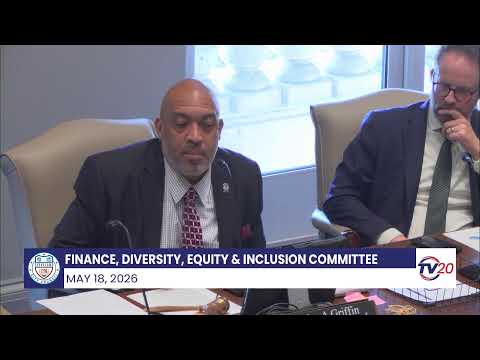
Councilman Harsh introduced ordinance 469‑2026 to raise the ceiling for a 0% admissions tax from venues under 150 capacity to venues under 750 and said the policy would largely relieve small neighborhood venues that have struggled since the pandemic. He told the committee that “last year in 2025, the city collected $341,000 from venues with capacities between 150 and 750,” and framed the proposal as a modest revenue trade‑off to preserve cultural anchors in neighborhoods.
Sean Watterson, co‑owner of the Happy Dog and head of the Cleveland Independent Venue Association, gave public comment and presented an economic‑impact summary, urging support: “We really appreciate the proposal to exempt the small live music and comedy venues from the admissions tax,” he said, explaining that many small venues are still losing money post‑COVID.
Members debated scope and fairness and discussed administration alternatives (including a proposed $15,000 tax credit). After debate, the committee adopted an amendment—based on administration language—that defined adult entertainment venues and stated that admissions to those venues are not eligible for exemption, reduced rate or other preferential treatment under the chapter. The amendment carried and the ordinance, as amended, was approved.
Proponents said the change will chiefly aid neighborhood music and comedy venues, which they described as cultural anchors; opponents expressed concern about singling out businesses by type. The committee recorded the amendment vote and approved ordinance 469‑2026 as amended for further consideration.