Get Full Government Meeting Transcripts, Videos, & Alerts Forever!
Get email alerts on the Data Centers topic
No spam. Unsubscribe anytime.
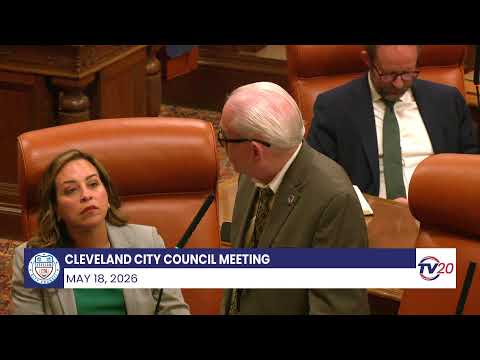
Residents and councilmembers applaud rejection of Slavic Village hyperscale data center permit
Summary
Public commenters and several council members thanked Mayor Bibb and council for rejecting a Slavic Village data-center permit and urged protections for Fire Station 23 and neighborhood priorities; speakers called for continued community engagement and a moratorium on similar projects.
Residents and council members praised the administration and parts of the council for rejecting a permit for a proposed hyperscale data center in Slavic Village and urged further protections for nearby neighborhoods and first responders.
At the public-comment period, Fauzi Badur thanked Mayor Justin Bibb and council members — singling out Councilwoman Nikki Hudson and Councilman Anne Mae Shah — for the decision to reject the Slavic Village permit and for the administration's effort to acquire 10022 Madison Avenue as a new site for Fire Station No. 23. "Fire Station Number 23'they need new location," Badur said, arguing the station could not be easily relocated and that first responders' needs should not be subordinated to special interests.
Several other speakers echoed opposition to data centers. Adrian Freeman said developers could attempt to bypass full-council zoning review and urged the council to block data centers from coming into Cleveland neighborhoods. Councilwoman Deborah Gray thanked the administration for rejecting the permit and said she would hold a May 21 community meeting to share details with residents.
Speakers framed their concerns beyond land use, saying data centers and surveillance technologies are linked to broader privacy and policing issues. Stephanie Thomas described connections among detention facilities, surveillance systems and private contracts and warned that large investments in surveillance or data infrastructure can reproduce racialized harms.
The council also flagged procedural follow-ups: several ordinances related to neighborhood development, a proposed Slavic Village neighborhood fund, and tabling of some land-reuse measures were on the agenda during the same meeting. Council members said they would continue community meetings and briefings as residents and council offices work through next steps.
The council did not adopt a new policy in the meeting itself on data-center permitting; instead, public commenters and council members said they expect continued oversight, community meetings and future legislative or administrative action to address developers' proposals and the location of critical public facilities.