Get Full Government Meeting Transcripts, Videos, & Alerts Forever!
Get email alerts on the Housing Policy topic
No spam. Unsubscribe anytime.
Trustees repeal Swansea's voluntary crime-free housing ordinance
Summary
The Swansea Board of Trustees voted to repeal the village's voluntary crime-free housing ordinance (chapter 155) after staff and public comment; trustees said implementation challenges and recent guidance prompted the change.
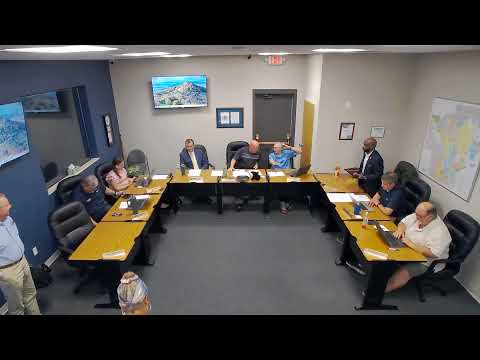
The Swansea Board of Trustees voted to repeal the village's voluntary crime-free housing ordinance during its May meeting, approving Ordinance 2022 to remove chapter 155 from the municipal code.
Why it matters: Trustees and staff said the voluntary program had been difficult to administer and raised legal and equity questions. The repeal follows staff reports and public comment pointing to state- and national-level guidance advising caution in how such programs are applied.
What happened: The ordinance to repeal chapter 155 was read by the clerk and placed on the agenda as Item 5. After questions and discussion, trustees conducted a roll-call vote; the motion carried with a majority of trustees voting "Aye" and at least one recorded "No." The minutes record that staff and trustees discussed implementation and participant concerns during the lead-up to the vote.
Public comment: Ron Dietrich, who identified himself as a local government affairs director for a research organization, spoke during public comment in favor of repeal. "Crime free housing as a policy nationwide has been shown to have the back effects on a number of populations," he said, urging the village to consider participants' fees and service continuity in any transition.
Next steps: The repeal removes the voluntary registration/inspection framework from the code; staff and trustees discussed the need to notify affected landlords and tenants and to consider administrative follow-up for residents who had paid program fees. The board did not publish a detailed transition timeline at the meeting but directed staff to proceed with implementation steps.
The board passed the repeal at the meeting; no further public hearings were announced at that time.