Get Full Government Meeting Transcripts, Videos, & Alerts Forever!
Get email alerts on the School Garden topic
No spam. Unsubscribe anytime.
Teachers and parents urge board to keep New River Primary high tunnel in place
Summary
New River Primary teachers and community partners told the Fayette County Board of Education they rely on a high tunnel on campus as an outdoor classroom and urged the board not to relocate it, saying a move would disrupt partnerships, accessibility and student learning.
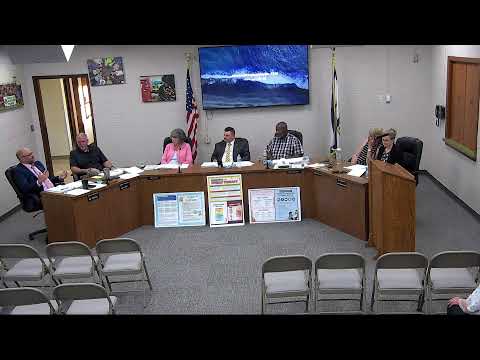
Catherine Angelona, an art teacher and head of the New River Primary school gardening committee, told the Fayette County Board of Education on May 19 that moving the school's high tunnel now would “halt that momentum before these opportunities even really have a chance to fully begin.” She said New Roots Community Farm contributed roughly $10,000 in professional labor and planning and that the structure is already used as an outdoor classroom for pre-K through fifth-grade students.
Angelona described curriculum uses, including experiments comparing water and sunlight on vegetables and plans to grow produce for a summer Save the Children program. She also told the board that some students who use the tunnel are wheelchair users and that relocating the structure to the high-school campus would create supervision and accessibility challenges for very young children.
Two other New River Primary staff members echoed Angelona. Cara Sheff said the tunnel’s visible placement at the school is an important community outreach and recruitment tool in a county competing for students under the HOPE scholarship program. Kindergarten teacher Laura Schiminga added that early childhood students use the greenhouse for taste tests, science observation and writing activities and that removing it would “take away an opportunity that helps children learn in ways that they will actually remember.”
Speakers also warned the move had already strained the volunteer partnership with New Roots, which they said is hesitant to expand without a formal agreement with the board. Angelona told the board that dismantling and relocating the tunnel carries a risk of structural damage and could incur replacement costs for the plastic covering and hardware.
Board members acknowledged the educational benefits raised by the teachers while also expressing concerns about long-term maintenance and campus appearance if several high tunnels are installed across the district. Superintendent and facilities staff noted water and power availability as practical considerations for siting multiple tunnels and said staff would work on a plan that balanced visibility, access to utilities and sustained stewardship.
The public remarks came during the board’s speakers section and will be taken into account before any final decision. The board did not take an immediate vote on the tunnel’s location during the meeting.