Get Full Government Meeting Transcripts, Videos, & Alerts Forever!
Get email alerts on the Surveillance Alpr topic
No spam. Unsubscribe anytime.
Residents demand removal of Flock ALPR cameras, release of audit logs and accountability from city leadership
Summary
Dozens of Dayton residents urged the City Commission to remove Flock automated license-plate‑reader (ALPR) cameras, cancel the Flock contract and publish audit logs after reports that Dayton data were used in immigration searches; speakers also renewed calls for firing the city manager and for a clear timeline on camera removal.
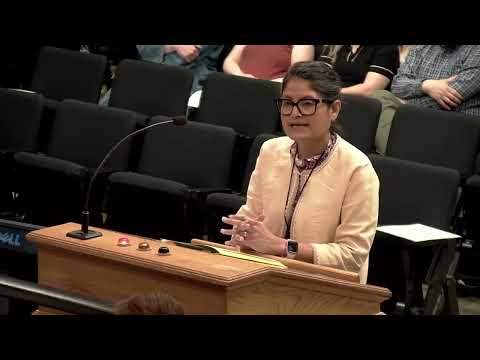
Dozens of Dayton residents used the city's public-comment period to demand immediate action on the city's Flock automated license-plate‑reader (ALPR) program, saying the system has undermined trust and put immigrant and other vulnerable residents at risk.
"You need to take down the cameras, you need to cancel the contract, and you need to give us a specific time frame with accountability for when those things will happen," said Kathleen Kirsch, an attorney with the Coalition on Public Protection (SEG 2160–2194). Community leaders and residents said municipal safeguards promised when the program began were not followed and reiterated a demand for the full audit logs showing how and when Dayton data were shared.
Yousef El Zane, speaking for the Islamic Council of Dayton and DFLOC Dayton, tied the concern to recent national violence and urged the Commission to reconsider whether the surveillance system actually protects residents. "The cameras are still up. The contract remains active. The full audit log's not been released," he said (SEG 1836–1890).
Speakers presented specific allegations and evidence they said supported urgency. Christina Mendez of the Dayton Hispanic Chamber of Commerce said the city's own figures indicate "more than 7,100 searches tied to immigration enforcement were conducted using Dayton driver data" and argued the economic and human costs of that mistrust are real (SEG 2991–3000). Multiple commenters, including legal advocates, cited contract language changes and pilots Flock ran with federal agencies as reasons the cameras could not be trusted with sensitive data (SEG 2188–2230; SEG 2520–2530).
Public commenters pressed for narrow, concrete steps: physically remove or cover cameras, cancel the Flock contract, and publish the audit logs. Several technologists and community advocates argued that only physical removal or covering would stop cameras from recording; Kelvin Hovatter said the only way to guarantee the cameras are not recording is to cover or remove them (SEG 3078–3086).
City staff and commissioners responded in the meeting's closing portion. Commissioner Beckham said she supports removal "and we are trying to figure out how soon we can do that," and asked staff for a timeline; Deputy City Manager Parlett said Dayton Police and Public Works had discussed placing bags over the cameras as a short-term step (SEG 3250–3278). Commissioner Shaw and Commissioner Joseph also voiced support for removal and requested frequent public updates (SEG 3294–3336; SEG 3332–3336).
Commissioners acknowledged open questions—whether cameras remain recording, who has accessed historical data and how to publish records while protecting privacy and safety—and committed to return with timelines and a public communications plan. Multiple speakers warned a "pause" without firm dates risks leaving the cameras recording and preserving the harm they allege has occurred.
Next steps announced on the record: staff will pursue short-term mitigation (DPD/Public Works discussed covering cameras), and the Commission asked for a public timeline for camera removal and release of audit data. Commenters said those steps fall short of full accountability (a contract cancellation and public audit), and many pledged to continue organized oversight until the audit logs are published and the cameras are permanently removed.
The commission did not vote on a formal resolution about the cameras during the meeting; commissioners instead asked for staff timelines and follow-up reports.