Get Full Government Meeting Transcripts, Videos, & Alerts Forever!
Get email alerts on the Mobile Food topic
No spam. Unsubscribe anytime.
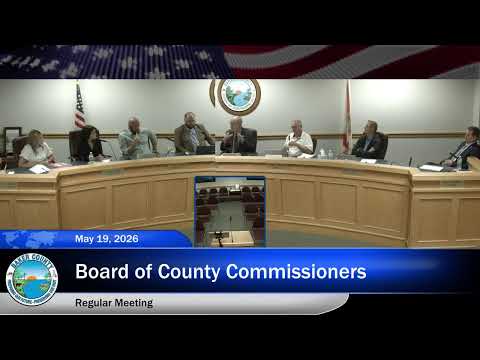
Public pushes back on proposed mobile food‑vendor ordinance; commissioners pause the measure
Summary
Food-truck operators and residents urged the board to drop or substantially revise a proposed mobile food‑vendor ordinance for unincorporated Baker County, citing state preemption and burdens on small businesses; commissioners directed staff to step back and gather more input rather than advance the ordinance now.
A proposed county ordinance to regulate mobile food vendors drew strong public opposition Tuesday and prompted commissioners to pause the measure for further work.
Planning staff (S4) presented a first‑reading draft intended to regulate mobile food vendors in unincorporated Baker County and to clarify exemptions used by nearby municipalities. Staff emphasized the draft would not apply inside incorporated cities or to brick‑and‑mortar restaurants and that fees and hours were not finalized.
Several food‑truck operators and small‑business representatives told the board the proposed rules were overly restrictive and could run afoul of Florida law that preempts certain local licensing for mobile vendors. Sarah Shepherd, who identified herself as a Sanderson resident and mobile‑service business owner, told commissioners: "We respectfully request that this ordinance be eliminated entirely." Brian Walstead, a local operator, said additional county fees and requirements would discourage vendors from serving Baker County.
Commissioners discussed enforcement options, site‑review versus a county licensing scheme, and whether the county should limit rules to site‑planning safety checks rather than duplicative licensing. Multiple commissioners said the county lacked significant enforcement problems now and agreed the draft needed more public input and refinement. One commissioner proposed addressing mobile vendors in a later comprehensive plan or land‑development‑regulation update rather than adopting the current draft.
Rather than moving the ordinance to second reading, the board signaled it would not advance the draft as written and directed staff to return with revisions and additional community engagement. Staff said any material changes would require a new first reading.