Get Full Government Meeting Transcripts, Videos, & Alerts Forever!
Get email alerts on the Fleet Procurement topic
No spam. Unsubscribe anytime.
EMS director warns of ambulance-chassis shortage, urges procurement changes
Summary
Coffee County EMS Director said Chevrolet is no longer producing the ambulance chassis the county sought, creating long lead times and pushing the department to consider switching to a Ford gas chassis; the board discussed remount and cooperative-purchase options and staffing and maintenance pressures.
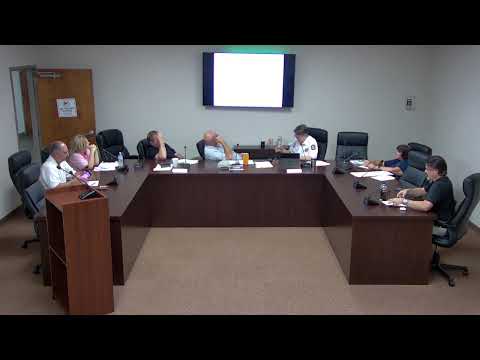
The EMS director reported to the Coffee County board on May 30 that the county is facing a shortage of ambulance chassis and long delivery lead times, and recommended changes to procurement plans to keep the fleet operational.
The director said last month there were roughly nine-hundred-something calls, bringing the year-to-date total to about 3,500, and said the current pace would likely leave totals near last year’s level. He told the board he had received a vendor letter indicating that “Chevrolet has gotten where they're not gonna build the chassis that make ambulances anymore,” and said the county intends to switch its forthcoming order to a Ford gas chassis to avoid diesel-only constraints.
Why it matters: the board’s ambulance fleet is aging, maintenance costs are climbing and several vehicles have high mileage. Long delivery times for new units could strain daily operations and increase repair bills, the director said.
Board members and the director spent much of the discussion on procurement options. The director and others described remounts (transferring the patient-care box from one chassis to another) as common in the market but difficult to secure through a standard local bid process because remounted units are often sold before a jurisdiction completes its procurement cycle. Members discussed cooperative purchasing programs such as Sourcewell and buy-board pools as a possible way to obtain vehicles more quickly while remaining competitive.
The director also warned of lengthy lead times: committee members referenced a delivery horizon of about 18 months for newly ordered ambulances if placed today. He said that some vendors or resellers can sell remounted trucks quickly, complicating local bid timelines, and that auditors may require documentation explaining any departures from the original bid specifications.
On operations, the director said maintenance work under the current budget already included at least one major transmission replacement and that some repairs—such as an injector pump failure—can cascade into more extensive engine repairs and high labor costs. Staffing is better than in prior months, he added: all AMT slots are filled and two additional medics would allow the service to staff all units daily and remove captains from frontline shifts. Two employees remain on restricted duty while going through work-hardening programs with expected mid-June return-to-work evaluations.
The director said next steps include consulting purchasing and county auditors to determine whether Sourcewell or a sole-source/exception process could be used, and continuing to monitor the remount market so the county can minimize downtime while complying with audit requirements.
The director’s report covered call volume, fleet status, procurement options and staffing; no formal board action was taken on procurement at the meeting.