Get Full Government Meeting Transcripts, Videos, & Alerts Forever!
Get email alerts on the Fundraising Crowdsourcing topic
No spam. Unsubscribe anytime.
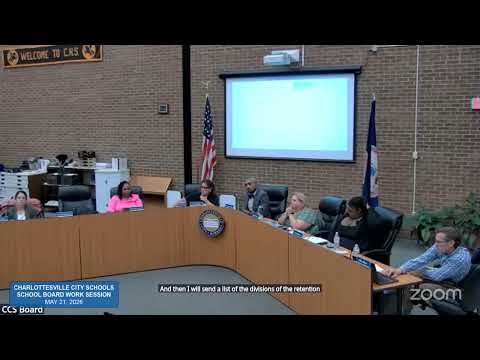
Board discusses crowdfunding, equity and how teachers access school funds
Summary
Staff presented a short survey of roughly 200 staff on fundraising and crowdfunding; trustees pressed for data on which classrooms use crowdsourcing, whether basic needs are met by division resources, and how to ensure equitable access to supplemental funds.
Staff presented results from a quick survey of about 200 staff members showing two dominant themes: teachers want autonomy to manage classroom needs and some turn to crowdfunding because they perceive procurement timelines or budgets do not meet shorter-term needs. “Before we go into regulating any more details, we need to make sure that we believe there's a lot of good work… and that the left hand knows what the right hand needs,” a staff presenter said.
Board members raised equity concerns: some teachers are more adept at fundraising or writing grants, while others may lack time or networks, potentially leaving certain students or classrooms disadvantaged. Trustee Miss Bryant asked for data showing which classes or schools are benefiting most from crowdfunding and whether those distributions align with student demographics. “What I have seen is…project-based courses are probably getting more funding and students of color are often not in those courses,” she said.
Staff said there is baseline per-teacher funding and systems such as a citywide PTO fund and pantries for basic needs, and that many curriculum-aligned requests can be funded through existing mechanisms. Staff also noted logistical issues: procurement timelines can be slower than an immediate classroom need, which motivates some teachers to seek outside donations.
The board asked staff to pull more granular requests and data about denied fundraising requests, uses of crowdfunding platforms (for example, DonorsChoose), and recommendations for clearer, streamlined processes that preserve teacher flexibility while ensuring equity. No regulatory change was adopted; staff said they will continue to educate teachers and principals and to collect data to inform any proposed policy updates.