Get Full Government Meeting Transcripts, Videos, & Alerts Forever!
Get email alerts on the Medicare Physician Payment topic
No spam. Unsubscribe anytime.
Committee examines reforms to Medicare physician payment and MACRA
Summary
A congressional committee opened a hearing on reforms to Medicare physician payment and the 2015 MACRA law, focusing on easing reporting burdens, improving payment stability, and helping small and rural practices participate in value-based care.
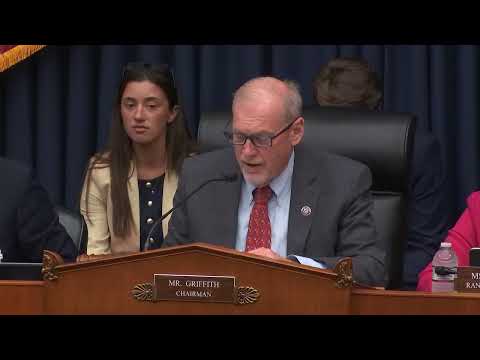
The chair opened a hearing to examine reforms to Medicare physician payment and provisions of the Medicare Access and CHIP Reauthorization Act of 2015 (MACRA), saying the session aims to identify changes that would better incentivize value-based care while addressing administrative burdens.
MACRA, the speaker said, permanently repealed the sustainable growth rate and established the Quality Payment Program, which includes the Merit-based Incentive Payment System (MIPS) and alternative payment models (APMs). The chair described MIPS as a performance-based system that ties reimbursement to quality reporting and APMs as risk-based care models that can include bonus payments for meeting cost and quality benchmarks.
"Shifting quality measures, administrative burdens, and uncertainty around scoring has not only slowed adoption of MACRA's quality payment programs, but it has also led to additional levels of complexity and increased costs that are especially concerning for smaller, independent, rural providers," the chair said. The speaker warned many smaller practices lack the administrative staff, technical resources, or financial ability needed to meet reporting demands.
The chair also raised worries about the underlying Medicare physician fee schedule and long-term payment stability. "Many physicians have expressed concerns that annual payment updates are not keeping up with inflation, leading to rising practice costs, longer patient wait times, and overall strain on the provider workforce," the chair said. The speaker added that the fee schedule's budget-neutrality requirement has put pressure on reimbursement for certain procedures and can "pit specialists against" one another.
The opening remarks framed consolidation of physician practices as a related risk, saying consolidation could increase costs for patients and disincentivize entry into the physician workforce. The chair noted Congress has provided temporary payment patches and that "another payment bump" is due to expire at the end of the year, underscoring urgency for longer-term reforms.
The hearing will proceed with witness testimony and questioning intended to surface concrete proposals to reduce reporting burdens, refine MIPS scoring, and consider payment-update mechanisms. No committee votes were recorded in the opening remarks. The speaker closed by expressing anticipation for testimony from invited witnesses and further discussion of policy options.