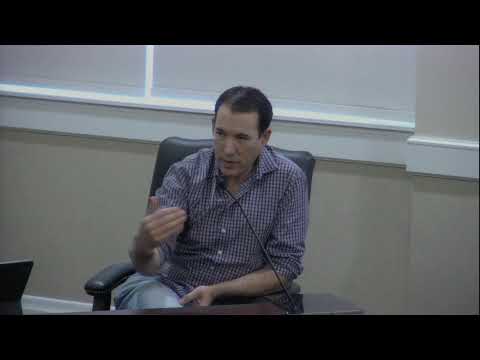
Consultants present efficiency study; council asks staff to craft implementation plan
Summary
Blackbird Group presented a nine-month efficiency and business-transformation study to the Saint Helena City Council, recommending a strategic plan, new HR/IT roles, a public-works operations lead and targeted fraud-prevention review; staff will assess the report and return an implementation plan with options for consultant support.
Blackbird Group delivered a high-level presentation of a nine‑month efficiency and business‑transformation study to the Saint Helena City Council, and council members directed staff to assess the findings and return recommendations for implementation.
The consultant, Keith Fawcett, said the study combined a city‑employee survey (53 responses), 36 structured interviews and document and data reviews. He said the report finds low organizational maturity, gaps in management systems and governance, and weaknesses in situational awareness. "We did not find fraud within the city," Fawcett said, but he added that the study identified an environment where weak controls could increase the risk of waste or abuse and recommended a targeted fraud, waste and abuse assessment.
The report’s Deliverable 3 identified staffing and compensation issues: Blackbird said executive‑management salary levels were above expectations for a city with a population under 10,000 and estimated the city could save nearly $600,000 in executive compensation through attrition and other talent‑management moves if the council chose that path.
Key recommendations the consultants emphasized included developing a formal multiyear strategic plan (not just vision statements), hiring a senior human‑resources manager and an IT manager, exploring an assistant director of public works focused on operations, implementing quality‑management systems and executive dashboards, and adopting a scaled‑down enterprise architecture approach (TOGAF) to better align IT and processes. Fawcett described a transformation roadmap in the final report (about 100 pages) that links phased activities and highlights "lever points" where relatively small actions can yield outsized impact.
Council members pressed the consultants on what the report means by "strategic plan." Fawcett answered that the plan should describe not only goals but "how" the city will achieve them — the personnel, assets and project plans that turn objectives into action — and recommended public engagement tools such as workshops, surveys and table‑based brainstorming to build community buy‑in. The staff representative told the council the administration will "deeply assess the full report," consult further with Blackbird as needed, and bring back an implementation plan that separates immediate, short‑term and longer‑term steps.
There was no formal vote or adoption of the consultant recommendations at the meeting. Instead, the council signaled support for a deliberate, staged approach: staff will identify items they can start without outside help, outline where consultant expertise is appropriate, and return to the council for approvals and periodic check‑ins.
The consultant presentation and council discussion did not include binding budget approvals. Several council members and public speakers urged independent oversight and a change‑manager role to guard implementation and public trust; those governance questions will be part of the staff’s forthcoming recommendations.
The council adjourned after the presentation and public comment; staff said it expects to return with more detailed implementation recommendations and options for consultant support.
AI generated
The text on this page is AI generated. Summaries, highlights, analysis, and video transcripts are all produced from the original source material.
AI can make mistakes, so if you spot one, and we will fix it for everyone.
Note: the source content is unaltered by us. Any content source we link to, be it a video, an audio recording, or a document, is presented exactly as its publisher released it. That publisher is usually a government body, sometimes an individual official or another organisation.