Get Full Government Meeting Transcripts, Videos, & Alerts Forever!
Get email alerts on the Offender Residency topic
No spam. Unsubscribe anytime.
Green Bay board approves four address-specific residency exceptions after supporters testify; one case initially tied
Summary
The Green Bay Offender Residency Board granted address-specific residency exceptions for four applicants — Clayton Miller, Robert Fox, Brandon Sussman and Chester Kuziak — after family and community supporters described treatment and local ties. Kuziak’s approval required a board member to change a prior tie vote following supporters’ testimony.
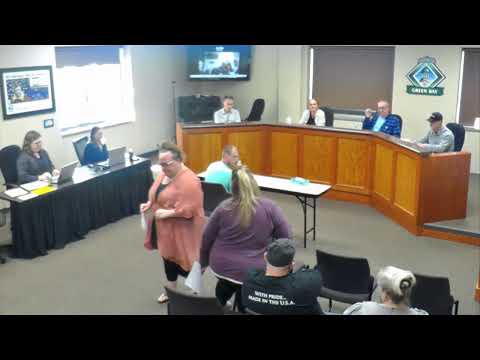
The Green Bay Offender Residency Board approved address-specific residency exceptions for four applicants during its meeting, citing treatment progress and community support in each file.
The board first approved Clayton Miller to reside at 962 Langley Avenue after Miller and family members described steady employment and treatment engagement. Jennifer Miller, introduced for the record, said Miller "has continued to demonstrate growth, responsibility" and that family support and church involvement would help him remain stable in Green Bay. A board member noted that had family attended the prior hearing, "I probably would have voted a little bit differently." The board voted to approve his residency and asked Miller to return if he later chose to move.
Next the board heard Robert Fox, who asked to live at 706 North Broadway. Fox described his 2015 conviction for second-degree sexual assault of a 14-year-old and said the offense was a one-time incident; the chair introduced Captain Oberman of the Green Bay Police Department, who confirmed the investigation occurred promptly after the report. Fox told the board he is employed, sometimes experiences homelessness, and has been attending group treatment through Hanger Enterprises since late February. After deliberation the board approved the address-specific residency and instructed Fox to return if he moved.
The board then considered Brandon Sussman, who reported a civil commitment under the Chapter 980/9 80 process and recent discharge from SandRidge on supervised release. Sussman said he had participated in intensive treatment, provided a detailed SandRidge packet and was engaging in community supervision. Board members discussed lifetime GPS monitoring as a protective measure; members moved and approved address-specific residency at 1269 Shawano Avenue.
The final appeal, from Chester Kuziak, drew the most extended discussion. Kuziak acknowledged a long criminal history involving multiple victims, long incarcerations and several revocations; he also provided a SandRidge treatment packet and said he had been participating in circles of support. Two supporters — Matthew Vincent and volunteer Mike Perrons from Circles of Support — described Kuziak’s regular attendance in support meetings, efforts to find work and daily accountability. The initial vote on Kuziak’s request resulted in a 2–2 tie. After supporters spoke and a board member said they were willing to change their position, the board moved again and approved an address-specific residency (final address details were clarified during the record). The board emphasized that Kuziak must use his support network and comply with supervision conditions.
The board made the approvals as "address-specific" exceptions and repeatedly told applicants that if they move from the approved address they must return to the board. The meeting concluded with a reminder that the next meeting is scheduled for June 17 and an adjournment.
Why it matters: The board balances neighborhood safety and supervision against reintegration factors such as treatment completion, family support and stable employment. The meeting illustrates how community supports and documented treatment can influence residency decisions, while the Kuziak case shows how close votes may turn on testimony and perceived readiness.
What’s next: The board did not set additional conditions beyond the address-specific approvals recorded on the public minutes; applicants were advised to maintain treatment, engage their support networks and notify the board if they move.