Get Full Government Meeting Transcripts, Videos, & Alerts Forever!
Get email alerts on the Mental Health Services topic
No spam. Unsubscribe anytime.
Douglas County approves $700,000 one-time aid to shore up Treatment and Recovery Center
Summary
After hearing updated program budgets and a preliminary consultant review, commissioners unanimously approved up to $700,000 in one-time supplemental funding to help Bert Nash cover cash shortfalls at the Treatment and Recovery Center (TRC) for the remainder of 2026.
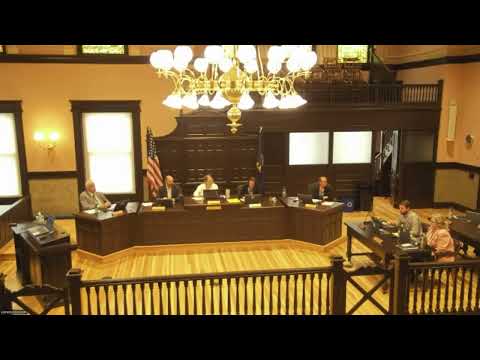
Douglas County commissioners voted unanimously on May 20 to approve a one-time supplemental payment of up to $700,000 to Bert Nash to address cash shortfalls at the county’s Treatment and Recovery Center (TRC).
County staff and Bert Nash leaders told the commission the supplemental request was sharpened after new program-specific budgets and three months of 2026 actuals showed fee-for-service revenue has come in well below original projections. "The gap is real, and it is substantiated," said Kirsten Watkins, CEO of Bert Nash, as she described the organization’s revised ask.
Why it matters: The TRC provides crisis stabilization services used by hundreds of county residents and is part of the county’s broader crisis system. Staff described the payment as a one-time solvency allocation to address uncompensated-care costs and cash-flow pressures while program-level budget realignments and revenue-cycle management improvements continue.
County staff summarized the budget history leading to the request: Bert Nash’s original 2026 request was $1,250,000, later revised to $1,000,000; after additional data sharing and analysis staff recommended considering a $700,000 allocation from a previously created one-time solvency line. Staff added that the funding would be invoiced monthly based on actuals rather than sent as an unrestricted lump sum.
Bert Nash’s finance lead, Danny Edwards, walked commissioners through accounting differences between accrual and cash reporting and the practical effect on collections. He said the TRC’s projected fee-for-service revenue was about $950,000 but that only roughly 36% of that amount has been collected so far this year, increasing near-term cash needs. Edwards also said TRC staffing is running near 81% of budgeted FTEs and that turnover—especially the vacant medical director position—has skewed some annual comparisons.
Several commissioners pressed for clearer separation between TRC-specific costs and Burton Nash’s broader operations and asked about the external consultant’s final report. Staff said the consultant’s interim findings had informed budget conversations and that the final report was due May 30; a resident in public comment urged caution until the final report is available.
The action: A commissioner moved to approve Bert Nash’s revised one-time TRC supplemental funding request for 2026 not to exceed $700,000; the motion was seconded and passed unanimously.
What happens next: Staff will prepare an amendment to the TRC operating agreement to document the allocation and continue monthly invoicing based on actual expenses and revenues. Commissioners and staff said they expect further recommendations from the consultant’s final report and ongoing work to align program budgets and improve revenue-cycle management.