Get Full Government Meeting Transcripts, Videos, & Alerts Forever!
Get email alerts on the School Finance topic
No spam. Unsubscribe anytime.
Lakota Local board approves resolution to place bond (collecting 2029) after months of debate over earned income tax
Summary
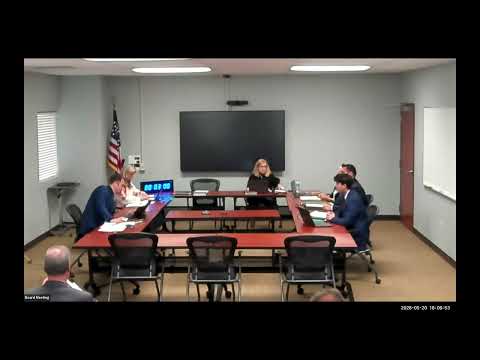
At its May 20 meeting the Lakota Local Board of Education approved a resolution of necessity to place a bond levy on a future ballot that would begin collections in 2029, after extended debate over whether to pair the bond with an earned income tax to address operating shortfalls.
The Lakota Local Board of Education voted May 20 to approve a resolution of necessity authorizing a bond levy that, if later approved by voters, would begin collections in 2029. Board members spent more than an hour debating whether to pair a capital bond with an earned income tax to fund operating needs.
The board president opened discussion by reviewing the district’s options and legal timing constraints, noting that a different drafting of the earlier resolution of intent had created confusion about whether collections would begin in 2027 or 2029. “We have a lot on the docket today,” the chair said as members weighed outreach timelines and statutory notice requirements.
Proponents of the combined approach said pairing capital and operating measures would deliver a more-complete solution. “When you divide $32,000,000 across 17,000 students and the days in a year, what that basically amounts to is asking our community to come together and give each of our students five more dollars a day,” a board member said, urging a clear case to voters for both improved facilities and additional services.
Opponents and cautious members said voters rejected more-complex or costly packages in a recent election and urged a phased approach. One board member cited recent survey results showing weaker support for proposals framed without a “no tax increase” message and warned an earned income tax could be politically untenable. “I certainly don’t think an income tax is going to pass,” another member said, arguing a bond-only approach would be more palatable.
The board’s discussion touched repeatedly on local tax-increment financing (TIF) arrangements that limit the district’s share of growth for set periods. A finance committee briefing noted the district is the largest valuation of TIF districts in Ohio, creating revenue pressures that factored into the conversation about timing and structure.
Following the debate the board put the resolution of necessity for the bond (collections commencing 2029) to a roll-call vote and approved it for advancement. Separately, members moved and seconded a motion to proceed with placing an earned income tax proposition on the ballot; the meeting record shows the motion and roll-call prompts but some transcript entries for individual responses were unclear in the audio record.
What happens next: board members said they plan additional outreach and may convert a June 9 work session into an evening regular meeting to finalize ballot language and community materials before the legal deadlines. The chair emphasized no final decisions have been made on details such as rates or exact ballot language until the board completes its public-notice and drafting steps.
Why it matters: Board members framed the choice as between a strategy that attempts to tackle facilities and operating needs together and a more incremental plan aimed at securing voter support. Either path would affect district budgeting and services for years, including staffing levels and program offerings if operating dollars are not addressed.
Provenance: topicintro SEG 409; topfinish SEG 1680.