Get Full Government Meeting Transcripts, Videos, & Alerts Forever!
Get email alerts on the Wastewater Infrastructure topic
No spam. Unsubscribe anytime.
Engineers: North Kansas City sewer system 'generally sound' but Bedford lift station needs urgent work
Summary
A Veenstra & Kim presentation found the city's sewer collection system largely adequate but flagged concentrated inflow/infiltration and serious safety and reliability problems at the Bedford lift station; engineers outlined $6.8M–$7.7M options to repair or replace it and estimated a full treatment plant would cost roughly $97M–$98M.
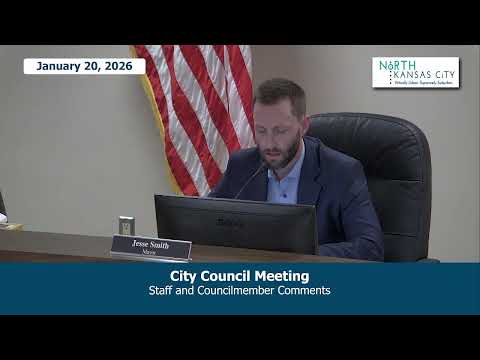
Veenstra & Kim engineers presented a 299-page wastewater master plan to the North Kansas City Council on Tuesday, saying the city’s sanitary collection system can generally convey wet-weather flows but that targeted repairs are needed to avoid future failures.
“[The] collection system that we inspected generally was in good condition with some minor maintenance items required,” Rosalia Musch, an engineer on the project, told the council as the firm demonstrated a hydraulic model. The model showed limited risk of manhole overtopping except in a condensed six‑hour, 100‑year storm.
The consulting team said inflow and infiltration (I&I) is present but not at the extreme levels seen in some communities; the report recommends targeted televising, smoke testing and phased lining to identify and fix trouble basins. Engineers recommended starting with pilot inspections of a small set of manholes to calibrate costs and methods before a full program.
The presentation also outlined two full treatment‑plant alternatives, with capital estimates “between $97,000,000 and $98,000,000” and estimated annual operation and maintenance on the order of $1.3 million, according to a Veenstra & Kim presenter. The firm compared those costs to current annual payments to Kansas City, which they said ranged broadly depending on surcharges from industrial users (presented in the study as roughly $5.5M–$11.8M per year).
Engineers described more immediate and pressing needs at the city’s pump stations. The 19th Street pumps are aging and at diminished capacity; Bedford, the city’s final discharge station, has experienced repeated flooding of below‑grade spaces, exposed electrical components and corrosion. The report estimated a full renovation of Bedford at roughly $6,800,000 and building a new, modern station at about $7,700,000, while noting each option carries different phasing and operational risks.
City staff and council members emphasized urgency. "We are kind of at a decision point," a staff member said, noting the fiscal year budget includes initial money to start design work for Bedford. Several councilors expressed support for moving quickly on repairs, while asking staff to present financing options (SRF loans, gaming fund, rate impacts) at the next meeting.
Council direction and next steps: staff said they will return with procurement steps for an on‑call design consultant and a range of financing scenarios. Engineers offered to host a work session to demonstrate the model in more depth. The report and appendices will be made available to the public.
The council did not vote on a specific capital project that evening; members asked staff to provide time‑and‑cost scenarios so elected officials can weigh renovation versus replacement and the longer‑term question of whether to pursue a standalone treatment plant.