Get Full Government Meeting Transcripts, Videos, & Alerts Forever!
Get email alerts on the Education Dyslexia topic
No spam. Unsubscribe anytime.
Spokane councilmembers spotlight dyslexia, local nonprofit outlines services and early‑intervention supports
Summary
Councilmembers Kitty Klitsky and Zac Capone hosted Lisa Repp of the Inland Northwest Dyslexia Alliance to discuss signs of dyslexia, the Alliance’s pledge‑based clinic model and evaluations, and resources for Spokane families, including inwdyslexia.org.
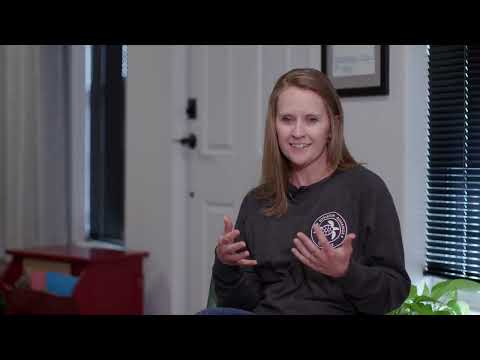
Councilmember Kitty Klitsky and Councilmember Zac Capone hosted a Council Connection conversation with Lisa Repp, executive director of the Inland Northwest Dyslexia Alliance, to raise awareness about dyslexia and local supports for families in Spokane.
Repp said the Alliance, founded in 2022 and based in Spokane, aims to “support, empower, and advocate” for people with dyslexia and their families across the Northwest. She described dyslexia as “a disconnect between someone's intelligence and their ability to read,” and said that while schools can evaluate for a specific learning difference in reading, formal diagnosis often requires a speech‑language pathologist or psychologist.
The discussion focused on practical signs that parents and teachers can watch for at different ages. Repp said early indicators include difficulty reciting the alphabet or sequencing days of the week, weak phonemic awareness such as trouble rhyming, and, at older ages, a persistent gap between a student's apparent intelligence and their reading skills. “Early intervention is extremely important,” Repp said, adding that untreated difficulties often show up as school avoidance, behavior changes, or increasing anxiety.
Capone, who said a child in his family was diagnosed recently, stressed the local prevalence and need for awareness. “One in five kids has dyslexia,” he said, calling the topic widely misunderstood and urging families to use local resources.
Repp outlined services the Alliance provides: referrals and guidance to public schools, individualized intervention in a clinic using an Orton‑Gillingham–based curriculum, private dyslexia evaluations, and partnership referrals when other neurodiversities are present. She described the Alliance’s clinic as pledge‑based, with suggested donations supplemented by a client assistance fund so families of varying incomes can access services. Typical intervention, she said, is twice a week for 30 minutes and tailored to the child’s current reading level.
On related conditions, Repp explained that dysgraphia — difficulty translating thoughts to written page — often overlaps with dyslexia and that the community needs more writing supports in schools. She also emphasized strengths commonly seen among dyslexic people, including creativity, storytelling, spatial reasoning and perseverance.
For families unsure whether to seek an evaluation, Repp recommended starting with conversations at home or in school, consulting pediatricians, and reaching out to trained professionals. She directed listeners to the Alliance’s website, inwdyslexia.org, for resources and contact information.
The councilmembers thanked Repp and encouraged sharing the Alliance’s resources; Klitsky closed by directing viewers to the City of Spokane website for Council Connection details.