Get Full Government Meeting Transcripts, Videos, & Alerts Forever!
Get email alerts on the Teen Mental Health topic
No spam. Unsubscribe anytime.
Cox Mill SkillsUSA members turn student project into countywide teen mental-health outreach, win state title
Summary
Cox Mill High School SkillsUSA members say their student-led teen mental-health project ran outreach at Harrison Middle School, raised a few hundred dollars for local nonprofits, grew a large social-media following and placed first at the state SkillsUSA competition, qualifying for nationals.
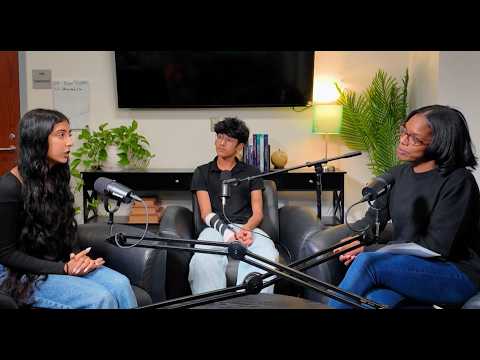
Students from Cox Mill High School in Cabarrus County described how a SkillsUSA community-service project on teen mental health has become a bigger outreach effort, producing local events, small fundraisers and a state competition victory that qualified them for nationals.
"We got tons of support from not only our peers, but ... our old teachers in Harrison Middle School," a SkillsUSA member said, describing classroom presentations and a card-making activity the group ran for more than 100 middle-school students. The students said they donated the cards to local nonprofits and, through door-to-door canvassing in about five neighborhoods, raised roughly $250–$300 that was given to the Dilworth Center.
The project also included a low-cost volleyball tournament intended to raise awareness and build community. "We held a little volleyball tournament…we weren't really looking to make a profit," one student said, adding the event collected additional small donations and produced a motivational message board placed in the high school cafeteria.
The students said their SkillsUSA entry placed first at the state competition and qualified them for the national contest. "Placing first…was an amazing benefit for us, but it wasn't what we were looking for," a student said, adding that the recognition highlighted the community impact of their work.
On social media, the group reported wide reach: Cheta, who identified themself as a freshman involved in the project, said the team reached about 9,000 people, while another member said the project's account recently reached more than 50,000 accounts. The students said they use the platform to post resources and encourage peer support.
Looking ahead, the group described plans for peer-to-peer counseling supported by a brief screening survey and an embedded tool they called "SafeChat AI," which the students said prompts questions about stress, school and home and directs people to peers, teachers or local health centers as needed. They said they will also host another volleyball tournament — this time with a stronger fundraising focus — and plan to sell popsicles to take advantage of summer attendance.
The students credited teamwork and clearly defined roles with the project's progress: one member coordinated events and outreach, another documented activities, and a third led social-media growth and prepared their presentations for competitions.
The interview contained no formal votes or official actions; the next procedural step the students reported is competing at nationals and continuing local fundraising and outreach.