Get Full Government Meeting Transcripts, Videos, & Alerts Forever!
Get email alerts on the Animal Control topic
No spam. Unsubscribe anytime.
St. Clair County delays animal‑control ordinance after public concerns; two‑week review set
Summary
After hours of public comment from animal‑control staff, vets and residents, the county board voted to table Resolution 26‑13, the proposed animal‑control ordinance, for two weeks to allow commissioners and the public to review late amendments and consider a community work group.
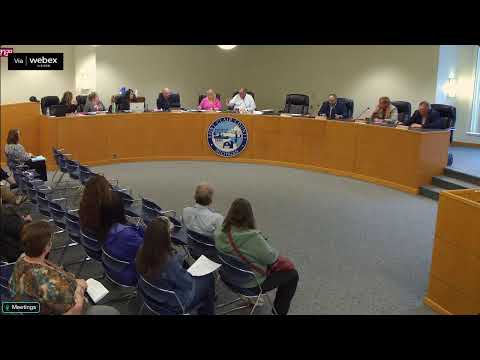
The St. Clair County Board of Commissioners voted on May 21 to table a proposed animal‑control ordinance, Resolution 26‑13, for two weeks after extended public comment and commission discussion.
The board placed the ordinance on the floor for adoption but then accepted a subsidiary motion to table final action for a two‑week committee review to allow members time to examine several late amendments. Chairperson Steve Samasco said the changes arrived that afternoon and that placing the item on the committee calendar would give commissioners “two weeks” to read the revisions before final action.
Public commenters and staff pressed the board to slow the process. An animal‑control employee who spoke during public comment urged written collaboration guidelines and community representation, telling the board the ordinance as presented “has some issues that are going to open our county to possible lawsuits and issues in the future” and urged formation of a work group. Courtney Pratt Sanders of Michigan Pet Alliance asked the board to “give your community a chance to review the new ordinance” and offered training and a free conference seat for county officials. A retired veterinary technician, Carrie Genoff, said untrained deputies responding to animal calls could put animals and people at risk and likewise urged tabling the measure and adding mandatory training.
Commissioners who spoke on the floor cited a flurry of amendments, including edits and legal annotations provided earlier in the day, and said more time was needed to read and consider those changes. One commissioner moved to place the ordinance on the committee calendar for final action in two weeks; the motion passed on a board vote to table.
What happens next: The ordinance was not adopted. The board scheduled the item for final committee action in two weeks so members can review a version that the county’s counsel and the health‑department director had revised and annotated. The county clerk will include the tabling and the revised materials in the record for the next committee meeting.