Get Full Government Meeting Transcripts, Videos, & Alerts Forever!
Get email alerts on the Harm Reduction topic
No spam. Unsubscribe anytime.
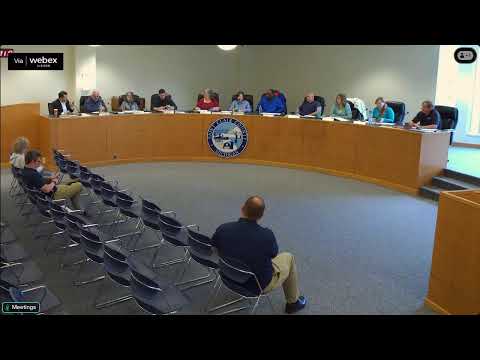
Board debates sharps-disposal boxes and harm-reduction funding; medical director to draft evidence memo
Summary
The medical director opposed using harm-reduction funds to place sharps-disposal boxes in parks, arguing they could normalize public drug use; other board members and staff said disposal boxes would provide safe options for diabetics and landfill-worker safety. Dr. Nevin will prepare a memo with pros, cons and literature review.
St. Clair County’s medical director, Dr. Remington Nevin, urged the advisory board not to approve purchase of sharps-disposal boxes to be placed in public parks, saying the placement risks normalizing open-air drug use and may produce second-order harms.
"I think we should not, approve the purchase of these, bins," Dr. Nevin said, adding he would prefer referring the problem to law enforcement for enforcement and prosecution while exploring other harm-reduction activities such as naloxone distribution.
Board members and staff pushed back on a single blanket prohibition. Health-department staff and the chair noted there are many legitimate safe-disposal needs—diabetics and patients using injectable medications—and that county residents and township offices call frequently for disposal options. One board member said landfill workers are put at risk when syringes are discarded in the trash.
Staff explained some funds in the harm-reduction budget are leftover grant dollars (the transcript references roughly $95,000 baseline with an additional $45,000–$75,000 this year) and that program budgets have been affected by staffing changes. A speaker pointed to a Tuscola County grant that funded syringe-collection bins as a model for consideration.
Given the range of opinion, the board asked Dr. Nevin to prepare a detailed memo reviewing the literature, grant constraints, potential placement strategies (avoiding playgrounds), and pros and cons for county leaders to review at a future meeting.
Key quotes: - Dr. Nevin: "To the extent that our parks become full of these bins, there are numerous second order adverse effects that we must consider." - Chair/Staff: "There’s a lot of people looking to get rid of syringes for a lot of different reasons than drug abuse… This is a safe way to get rid of syringes."
Next steps: Dr. Nevin will write a more thorough memo with recommendations and literature review; the board will consider the memo and explore options (targeted disposal locations, educational efforts, naloxone, or other harm-reduction services) in a future meeting.