Get Full Government Meeting Transcripts, Videos, & Alerts Forever!
Get email alerts on the Housing Bill topic
No spam. Unsubscribe anytime.
Reps. French Hill and Emanuel Cleaver tout bipartisan housing bill after 396–13 House vote
Summary
Republican Rep. French Hill and Democratic Rep. Emanuel Cleaver described a bipartisan housing bill the House passed 396–13, saying it would streamline development, loosen some HUD rules for manufactured housing and aim to boost supply; the measure now moves to the Senate.
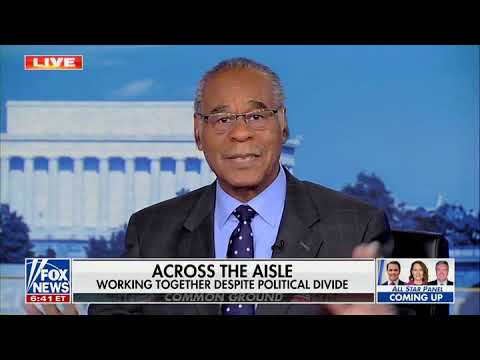
Rep. French Hill, chairman of the House Financial Services Committee, and Rep. Emanuel Cleaver of Missouri said a bipartisan housing bill the House passed 396–13 would increase housing supply and lower costs, though it still must clear the Senate.
"This is, Washington at its best," Hill said, calling the measure the product of compromise and bicameral effort. He and Cleaver said the bill updates HUD programs, restores community banking provisions and aims to remove regulatory barriers that they said are slowing construction.
Cleaver described the work as a cooperative effort with members from both parties and credited informal negotiations, including discussions with Republican Rep. Mike Flood of Nebraska. "We came in looking for solutions, and we did get them," Cleaver said.
Both members highlighted a change affecting manufactured housing. The measure eases certain HUD requirements, including removing a requirement that a transport chassis remain on the foundation after installation. "That alone reduces the cost of affordable...manufactured housing, 30%," Cleaver said, arguing the change will make factory-built homes more affordable.
Hill also said the bill includes a provision aimed at limiting institutional investors from outbidding families for single-family homes, and argued that the House-amended package would produce "more housing at a more affordable price and more accessible for more Americans across the country."
The members pointed to broad House backing as a political signal: "396 members of the House voted for it," Hill said, and he added that President Trump "says that if the Senate passes it, he'll sign it into law."
The guests acknowledged the Senate is a separate hurdle. The host noted a Senate logjam and competing priorities, including a separate reconciliation fight over a Justice Department fund that commentators described as controversial; Hill said such competing priorities and political concerns can complicate action in the upper chamber.
Hill urged congressional oversight on funding proposals raised elsewhere on the congressional calendar and said some items—immigration and border enforcement funding, for example—are being pushed through reconciliation, creating additional legislative pressure. Cleaver said he hoped the bill could serve as a blueprint for future bipartisan work.
The interview closed with both lawmakers expressing pride in the bipartisan result and urging the Senate to act on the measure.