Get Full Government Meeting Transcripts, Videos, & Alerts Forever!
Get email alerts on the Sanitation Billing topic
No spam. Unsubscribe anytime.
Resident brings box of sanitation bills, urges council to reconsider lien policy
Summary
A resident presented nearly 500 late sanitation bills and urged the council to prohibit placing liens on property owners for third-party sanitation charges; another speaker said state law currently governs who is ultimately responsible for unpaid sanitary-district bills.
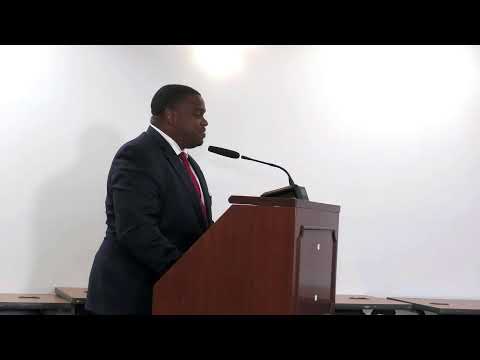
John Allen told the Gary Common Council he collected nearly 500 late sanitation bills while speaking with residents, and presented a box of the notices to illustrate what he described as an "epidemic" of late payments. Allen argued the city's processes create harmful consequences for property owners and urged the council to use its authority to prohibit liens on owners’ properties for third-party sanitation bills, citing Indiana Code as providing municipalities tools other than property liens.
"If I'm capable of one man to deliver 500 or more, we have a late bill epidemic," Allen said, and added that the practice of holding owners liable can punish people who pay on time and raise costs for residents and landlords.
Jim Nowacki, another resident, spoke about broader demographic and economic trends and criticized elements of local policy that, in his view, make the city less attractive to new residents. A separate commenter responded to Allen during public comment by emphasizing that state law governs who is responsible for unpaid sanitary district bills and that landlords can be held responsible as a last resort, saying the council should be mindful of existing statutes that lay out notice and collection procedures.
Council members did not take immediate formal action during public comment; the exchange left two competing positions on how the city should handle unpaid sanitation charges — one urging local policy changes to avoid liens on owners for third-party bills, and one warning that state law already prescribes collection steps.