Get Full Government Meeting Transcripts, Videos, & Alerts Forever!
Get email alerts on the Governance And Procedure topic
No spam. Unsubscribe anytime.
Commission debates remote‑voting and attendance rules as staff updates procedures
Summary
Commissioners reviewed an updated rules‑of‑procedure packet and discussed requiring remote participants to verbally acknowledge votes, how excused absences should be handled and who may cancel meetings; staff will consult the city clerk and return recommendations for approval at a future meeting.
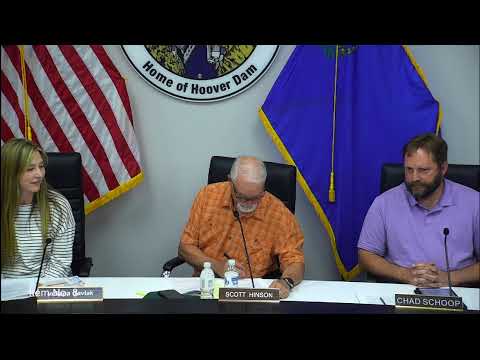
The Parks and Recreation Commission spent a substantial portion of its May 18 meeting reviewing an updated rules‑of‑procedure packet and debating procedural language related to remote participation, attendance and meeting cancellations.
Julie Calloway, Parks and Recreation Director, introduced three attachments: the current rules, a red‑ink version that preserves commission‑specific language in a new clerk‑recommended format, and a highlighted version showing items that are outdated or in need of change. "The information in red is what we took from the current rules of procedures and put into this document," Calloway said, explaining that black text reflects the city clerk’s standard template.
Commissioners focused on several items. One recommendation from the chair would require remote participants to verbally acknowledge votes so the record clearly shows how those members voted. A commissioner said, "We should somehow ensure that the person who's on the phone or on Zoom has voted," and Calloway confirmed staff can include language to poll remote participants by name.
Attendance and excused‑absence language drew particular scrutiny. A commissioner noted that the current city approach does not distinguish formally between excused and unexcused absences in attendance records and questioned whether the commission should retain a provision requiring commissioners to submit reasons for absences for a separate vote to accept the excuse. Calloway said the absentee policy originates with the City Council and the city clerk’s office and that staff do not have authority to unilaterally change it; she recommended staff confirm clerk requirements and then bring a cleaned‑up recommendation back to the commission.
Other points included clarifying who within staff may cancel meetings (Calloway said cancellations follow internal checks and staff would not cancel without cause), ensuring new commission members receive procedural materials prior to their first meeting, and whether the document title should be 'rules of procedure' or 'bylaws' (Calloway said the clerk and city attorney prefer 'rules of procedure' and commissions currently operate under that label).
Calloway told commissioners staff will consult with the city clerk on any mandatory language (for example, absentee rules), compile suggested edits, and return the revised packet to the commission for a vote at a future meeting.
Next steps: staff will confer with the city clerk and city attorney where necessary, incorporate agreed edits, and present a final version of the rules of procedure for commission approval at the next scheduled meeting.