Get Full Government Meeting Transcripts, Videos, & Alerts Forever!
Get email alerts on the K 12 Budget topic
No spam. Unsubscribe anytime.
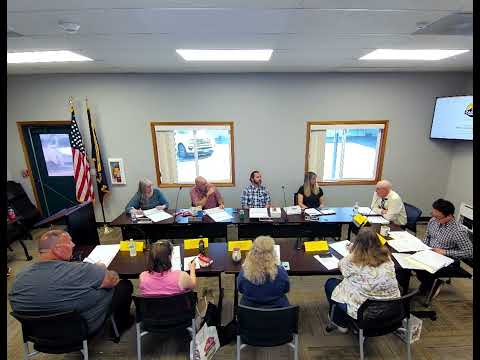
Cascade School District budget committee approves proposed 2026-27 budget amid PERS-driven pressures
Summary
The Cascade School District budget committee approved a proposed aggregate 2026-27 budget of $105,185,769.79 and set the permanent property tax rate at 4.6405 per $1,000 of assessed value after presentations describing rising PERS costs, the exhaustion of a PERS side account in early 2027 and use of reserves to avoid layoffs this year.
The Cascade School District budget committee approved the 2026–27 proposed budget in the aggregate amount of $105,185,769.79 and set the permanent property tax rate at 4.6405 per $1,000 of assessed value following presentations about mounting retirement-system costs and limited reserve flexibility.
In a presentation to the committee, the superintendent warned "the only thing I can really tell you is it's going to be rough," framing the district's situation as the result of long-term growth, prior investments in staffing and an accelerating cost from the state retirement system (PERS). He told the committee that a recent PERS rate increase raised the district's costs by about $2.1 million and that a district side account used to smooth those costs will run out in February 2027. "We've got to start paying $200,000 more per month," the superintendent said, describing the near-term cash-pressure timeline.
William, the district finance presenter, said the proposed general fund is about $45.7 million and that the budget carries a $1.6 million contingency (roughly a 3.5% ending fund balance). He called the proposal "a balanced budget with very limited flexibility," and said staff prioritized preserving classroom positions and negotiated step increases (2.5% for eligible certified steps and 3% for classified staff) while trimming non-essential expenditures.
The packet and presentations explained the district's multi-pronged approach to PERS: a bond and an investment "side account" that previously offset some increases, use of carryover reserves accumulated during years of enrollment growth, and planning to consider new borrowing if market conditions allow. Staff told the committee the current PERS bond runs through June 2027, the side account will be exhausted in February 2027, and forecasted extra PERS-related costs of roughly $175,000–$200,000 per month for the months when the side account no longer offsets obligations.
Committee members asked for further detail on the composition of PERS tiers among employees, and staff agreed to return with that breakdown. Board members and staff discussed retirements and hiring trade-offs, noting Oregon equal-pay and hiring rules can affect options for replacing veteran teachers. William said the district has 42 teachers at the top salary step, a retention indicator staff described as positive for continuity but also costly.
Other budget topics covered in the hearing included substitute and long-term leave funding (the district set aside $425,000 for substitutes and expects pressure from new leave rules), facilities funding and a community pool endowment that provides interest for repairs, and federal E-rate reimbursements that offset technology costs. Donald, the district's technology staff, explained that the E-rate program reimburses the district about 80% for eligible internet-category costs but that some services (for example, certain firewall subscriptions) are only partially eligible.
Staff also reviewed the bond appropriation that appears in the budget documents. The packet appropriates the full bond amount in the budget documents (staff described it as the required accounting step when a bond is on the ballot); presenters said approximately $30 million of the bond would be charged to local taxpayers while staff identified an expected $10 million grant to offset a portion of the project costs.
After the presentations and a brief question-and-answer period, a board member moved and the committee seconded the resolution to approve the proposed 2026–27 budget and set the permanent property tax rate at 4.6405 per $1,000 of assessed value. The motion carried on a voice vote. The committee closed the hearing and adjourned at roughly 6:31 p.m.
What happens next: staff will deliver monthly cash-flow reports to the board, return with a more detailed PERS-tier breakdown when available, and continue monitoring whether a new bond will be timed and priced favorably. The district emphasized it is using reserves to avoid layoffs this year but warned the 2027 fiscal-year timeline will require additional legislative action or new local measures to preserve long-term staffing levels.