Get Full Government Meeting Transcripts, Videos, & Alerts Forever!
Get email alerts on the Housing topic
No spam. Unsubscribe anytime.
Hutchinson faces long-term housing shortage and affordability squeeze, economic development director says
Summary
City economic development director Miles Sele outlined four drivers of Hutchinson’s housing crisis—affordability, limited supply, quality gaps and a mismatch of housing types—and cited local estimates calling for more than 200 varied housing units over the next four years.
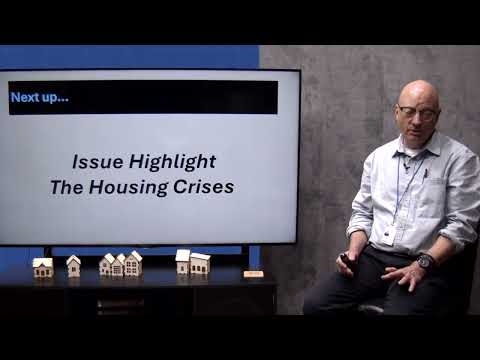
Miles Sele, Hutchinson’s economic development director, described a multifaceted local housing crisis in a recorded episode of Hutchinson Economic Developments, saying the community faces persistent shortages, rising costs and a lack of housing types suitable for different household needs.
"The supply of adequate housing just is not keeping up with demand and it's just not at prices that people can reasonably afford," Sele said, citing affordability as a central problem and noting the common affordability benchmark that housing costs should be about 30% or less of gross income.
Sele framed the problem around four linked dimensions: affordability (wages lagging behind housing costs), insufficient new construction and limited turnover in the existing stock, deteriorating or inadequate housing quality for some households, and a mismatch between the types of units available and local needs (for example, too many large single-family homes and not enough rentals, senior housing or workforce units).
Using Maxfield Research forecasts, Sele said Hutchinson needs an array of housing over the next four years: roughly 105 market-rate rental units, about 56 lower-cost or subsidized rental units, approximately 63 single-family homes and about 55 townhome/twin units. Sele characterized those figures as estimates derived from population trends and market inventories.
"A healthy vacancy rate is about 5%," he said, and added that Hutchinson has been below that threshold since about 2013, creating a very tight rental market with few available units.
Sele pointed to several causes that raise construction costs and limit new supply: high labor and material costs (he said about 63% of new-home costs are labor and materials), lot costs (about 14%) and financing costs (about 8%). He described a construction labor shortage in trades—carpenters, electricians and plumbers—and said fewer builders remain in the market since the 2009 housing crash, which together push prices up and make smaller, lower-margin projects less attractive to contractors.
He also noted that homeowners with low mortgage interest rates have little incentive to move, a dynamic he summarized tersely: "you can't buy what isn't for sale." That mortgage 'lock-in' effect, combined with an aging population who are staying in their homes longer, reduces turnover and constrains the supply of homes available to others.
Sele did not present concrete new policy solutions in the episode. He said the factors are complex and interlocking and emphasized that local officials and stakeholders are "working our way through this" but that simple answers are not immediately available.
The episode included data visualizations and county-level age/ownership charts that Sele used to illustrate why turnover has declined and why the market favors larger, higher-margin housing projects. For residents and local employers, Sele suggested the shortage and affordability pressures reduce mobility and choice for households and make workforce housing a recurring challenge.
Sele closed by inviting listeners to contact his office for more information and said the show will revisit housing topics in future episodes.