Get Full Government Meeting Transcripts, Videos, & Alerts Forever!
Get email alerts on the Bag Fee Fund topic
No spam. Unsubscribe anytime.
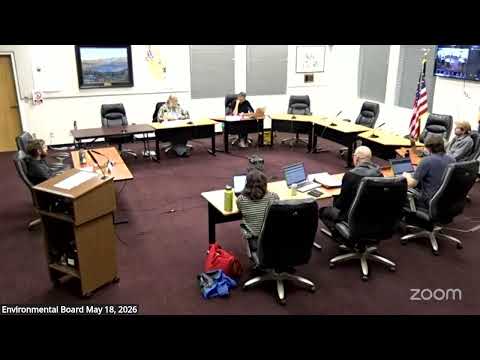
Environmental Board approves reusable utensils for schools, sets timeline for bag-fee community grants
Summary
The board approved allocating bag-fee funds to supply reusable utensils and magnetic lids for Carbondale schools (middle and high school: $2,400 each; elementary: $2,600) and advanced a draft timeline for a waste-reduction community grant program to launch July 15 with applications Aug. 1–Sept. 15.
Kevin proposed that the Environmental Board use bag-fee funds to buy reusable utensils and magnetic lids for the three Carbondale schools, saying principals and district food-service staff (Octavio) are supportive. He outlined estimated costs: $2,400 each for the middle and high schools and $2,600 for the elementary school (the elementary package includes 2 oz and 4 oz reusable cups). Kevin moved the proposal and the board approved it by voice vote.
Board members discussed timing and the interplay with a broader community grant program funded from the bag-fee allocation. Some members urged caution about spending the funds immediately, noting that the Trustees had approved a $15,000 bag-fee allocation and roughly $7,500 remained for other community projects; others argued that stocking schools before the next school year had educational value and ripple effects.
Beth presented a proposed timeline for a waste-reduction/community grant program: work-group planning in May–June, public launch July 15, application window Aug. 1–Sept. 15, internal review in September–October, and funded implementation November–April. The board agreed to form a small working group, consult town staff and finance to set parameters, and schedule follow-up meetings (staff proposed a June 9 planning slot for the working group).
Members also addressed procurement and payment logistics for approved purchases, with staff describing standard options (credit-card orders, vendor invoicing, or purchase orders processed by finance staff such as Tisha) and noting typical flows for invoice approvals.
The board did not tie the school purchases to specific vendors in the meeting; members asked staff to share purchase plans and vendor carts so town finance can process orders and invoices.