Get Full Government Meeting Transcripts, Videos, & Alerts Forever!
Get email alerts on the Service Navigation topic
No spam. Unsubscribe anytime.
Project HOPE maps 111 housing‑service providers; Foundation lauds Food Provider Network response to SNAP changes
Summary
At a Dubuque City Council work session, the Community Foundation’s Project HOPE reported mapping 111 entities providing housing and homelessness services, emphasized the need for navigation and casework, and credited the Food Provider Network with stepping in after SNAP changes and pantry closures.
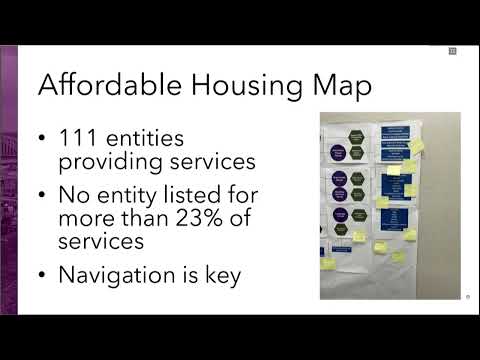
Project HOPE staff presented a service map the Foundation said covered the journey of people facing housing instability and identified 111 local entities that provide services connected to affordable housing and homelessness in the Dubuque area.
"We came up with 111 different entities that are providing services connected with affordable housing and homelessness support within our community," Alex Baum said, noting that no single provider accounted for more than 23% of the different services listed and that the city provided the largest share by service count.
Baum argued that the number of organizations increases the need for active navigation and casework: "With that many entities, it doesn't matter how well you can make referrals," he said, describing the difficulty a single mother can face when trying to coordinate multiple service providers.
On food security, Baum said the Food Provider Network coordinated responses after changes to SNAP benefits and recent funding shortfalls, working to replace meals and pantries when organizations such as St. Patrick's and the DCSD Family Pantry lost capacity. He described the Network as a resilience mechanism that helped identify replacements and fill gaps.
Baum also said Project HOPE and partner groups are trying to map how affordable‑housing supports, eviction prevention, temporary shelter and related services connect, and that the Foundation will use those findings in upcoming Project HOPE meetings to recommend navigational supports and coordinated referrals.
Council members asked follow‑up questions about targeting navigation services and adapting existing programs to reach residents without strong local networks; Baum and city staff encouraged expanding language access in City Life and other initiatives. The work session recessed and the council reconvened at 6:30 p.m.